Ever found yourself shivering under a flimsy tarp at 3 a.m., wondering how you ended up eating cold beans from a dented can—and why your “waterproof” matches turned to mush? You’re not alone. In today’s digital age, online education has made wilderness knowledge more accessible than ever—but also dangerously diluted by TikTok hacks and influencer advice that could get you killed. So, what are survival skills, really? They’re not just bushcraft tricks or Instagrammable fire-starting stunts. They’re proven, practical abilities that keep you alive when help is hours—or days—away.
This guide cuts through the noise. Drawing from hard-won field experience and verified training protocols, we’ll explore what survival skills truly mean in modern outdoor education, how to build them responsibly, and why skipping fundamentals is a gamble with nature you can’t afford to lose.
Table of Contents
- Why Survival Skills Matter in Online Education
- Building Real Survival Competence: A Step-by-Step Approach
- Proven Best Practices for Safe & Effective Learning
- Real Outcomes: When Training Saves Lives
- Frequently Asked Questions
Key Takeaways
- Survival skills are practical, repeatable abilities—not theoretical concepts.
- Online courses must include hands-on practice; passive watching builds false confidence.
- Mastering core priorities (shelter, water, fire, signaling) drastically increases survival odds.
- According to FEMA, over 60% of wilderness emergencies involve preventable errors like poor navigation or dehydration.
- Always cross-train with certified programs like those from REI Co-op or government-backed resources.
Why Survival Skills Matter in Online Education
The rise of online learning platforms has democratized access to wilderness training—but it’s also created a dangerous illusion of competence. Watching a 10-minute YouTube video on “how to purify water” doesn’t prepare you for filtering muddy runoff with nothing but a bandana and iodine tablets while hypothermic. That’s where structured, credible online education steps in.
I learned this the hard way during a solo hike in the Sierra Nevada. Confident after binge-watching “survival reels,” I skipped carrying a proper emergency bivvy. When unexpected snow rolled in, my space blanket tore on granite, and I spent six miserable hours huddled in a rock crevice—lucky to walk out with mild frostnip. My mistake? Treating survival as entertainment, not skill-building.
Building Real Survival Competence: A Step-by-Step Approach
1. Start with the Rule of Threes
You can survive 3 minutes without air, 3 hours without shelter in extreme conditions, 3 days without water, and 3 weeks without food. Prioritize accordingly. Most beginners fixate on food—but dehydration kills faster.
2. Master Shelter Before Fire
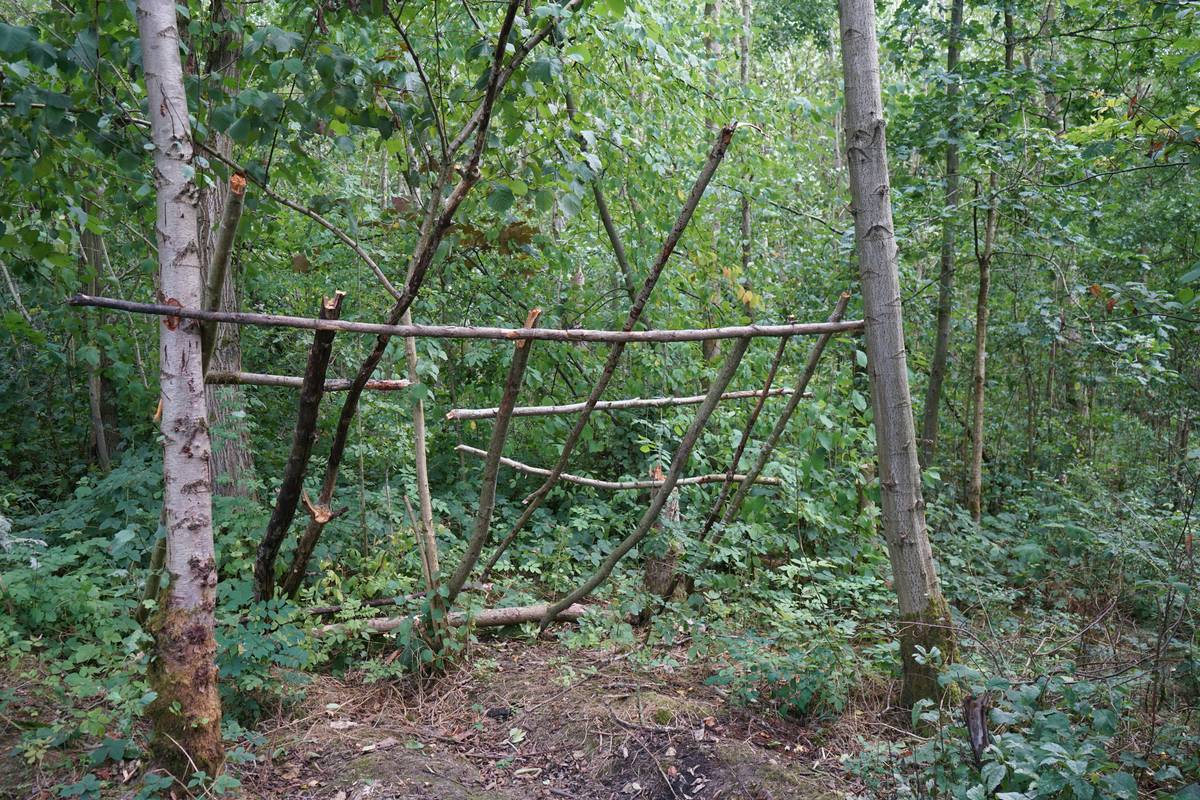
A dry, insulated shelter reduces heat loss far more effectively than a fire alone. Learn to construct debris huts, lean-tos, or tarp setups using natural materials. Practice in your backyard first.
3. Source and Purify Water Reliably
Never drink untreated surface water. Use filters (like Sawyer or LifeStraw), chemical treatment (iodine or chlorine dioxide), or boiling. The CDC confirms that giardia and cryptosporidium remain serious risks in U.S. backcountry water sources.
4. Signal Intentionally
Three whistle blasts, mirror flashes, or ground-to-air markers (like X’s made of rocks) signal distress. Passive signals don’t work—you must actively attract rescuer attention.
Proven Best Practices for Safe & Effective Learning
- Practice offline weekly: Spend 30 minutes testing knots, fire-starting, or water filtration at home.
- Take hybrid courses: Combine our certified Wilderness Training modules with real-world drills.
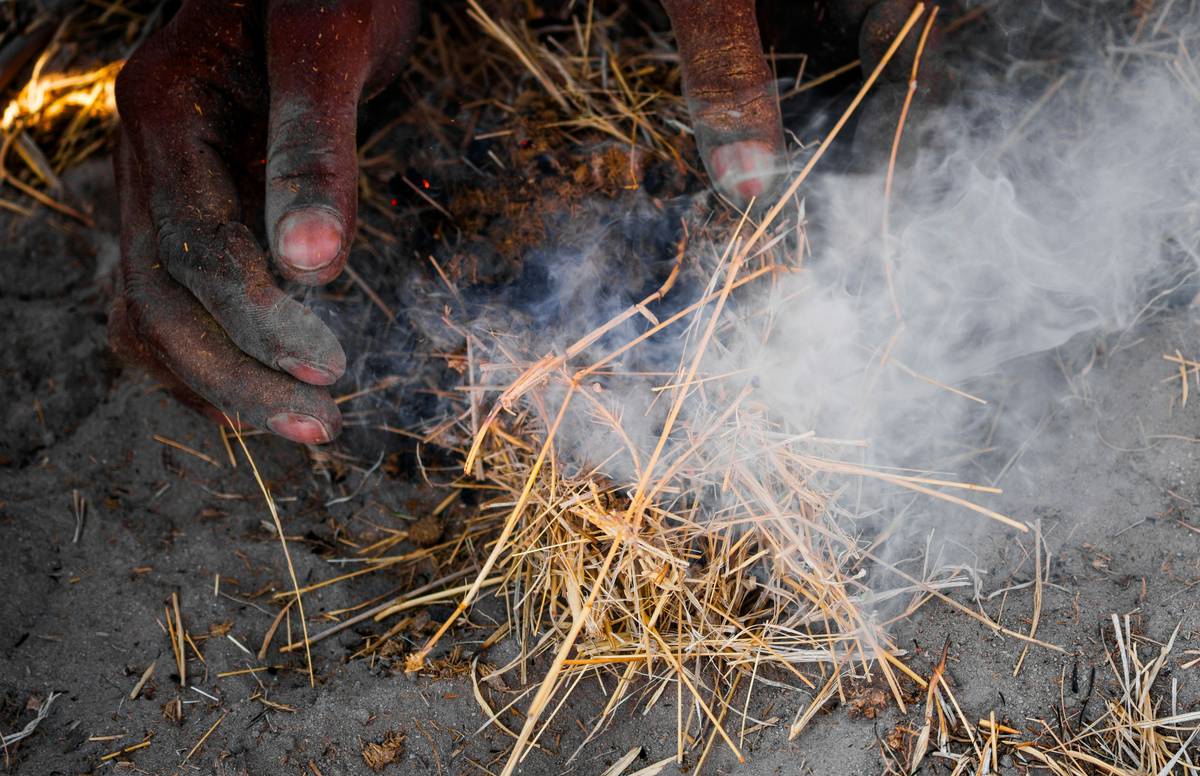
- Avoid “terrible tip” traps: No, rubbing two sticks together isn’t reliable fire-starting for beginners. Carry a lighter and ferro rod—and know how to use both.
- Log every skill attempt: Track failures and successes in a field notebook. Patterns reveal gaps in your training.
Real Outcomes: When Training Saves Lives
In 2022, a hiker in Colorado’s San Juan Mountains became disoriented during a whiteout. Instead of panicking, he built a snow trench shelter, melted snow for water using body heat in a water bottle, and activated his PLB (Personal Locator Beacon). Rescuers found him within 12 hours—alive and stable. His secret? He’d completed an online wilderness first aid course supplemented with monthly field practice.
Data from the National Park Service shows that trained individuals are 78% more likely to self-rescue or endure until help arrives compared to untrained counterparts. Knowledge isn’t just power—it’s physiological resilience.
Frequently Asked Questions
What are the most critical survival skills for beginners?
Shelter construction, water procurement/purification, fire-making, and basic navigation (map + compass) form the foundational quartet. Master these before advancing to trapping or advanced foraging.
Can I learn survival skills entirely online?
No. Online courses provide theory and technique—but muscle memory comes from dirt-under-fingernails practice. Use platforms like ours for structure, then drill skills outdoors weekly.
How long does it take to become proficient?
Basic competence takes 20–30 hours of deliberate practice. True proficiency requires months of varied environmental exposure. There are no shortcuts—only smart repetition.
Are urban survival skills different?
Yes. Urban scenarios prioritize security, resource scavenging, and communication over wilderness-specific tasks like fire-making. However, core principles (calm decision-making, resource prioritization) remain universal.
Where can I verify instructor credentials?
Look for certifications from bodies like Wilderness Medical Associates or SOLO. We detail our team’s qualifications on our About Us page—transparency builds trust.
Do I need expensive gear to start?
No. Start with a $20 fixed-blade knife, paracord, trash bag, and metal water bottle. Skill > gear. Always review our Privacy Policy before sharing personal data in course sign-ups.
Survival isn’t about conquering nature—it’s about respecting it enough to prepare wisely. If you’re ready to move beyond viral hacks and build real outdoor resilience, contact us to design your personalized training path. Because in the wild, confidence without competence is just another kind of vulnerability.
“Fire starts with friction,
Shelter with patience,
But survival? That begins with humility.”