If you’ve ever stared into the wilderness wondering how you’d last more than a night with just a knife and a tarp, you’re not alone. “What is survival camping?” isn’t just a theoretical question—it’s the difference between thriving outdoors and calling for rescue before sunrise. In today’s online education landscape, real-world skills like these are increasingly taught through digital courses, yet many learners skip foundational knowledge and end up lost—literally. This guide cuts through the fluff, offering practical, field-tested advice on survival camping within the broader context of outdoor education.
Table of Contents
- Why Survival Camping Matters in Online Outdoor Education
- Step-by-Step Guide to Planning Your First Survival Campout
- Top 5 Best Practices for Safe & Effective Survival Camping
- Real-World Examples: When Theory Meets Trail
- Frequently Asked Questions
Key Takeaways
- Survival camping emphasizes minimal gear and maximum self-reliance in wild environments.
- Online courses can teach core concepts, but hands-on practice is non-negotiable.
- Mistakes like poor water sourcing or inadequate shelter cause most emergencies.
- Always follow Leave No Trace principles to protect ecosystems and stay legal.
Why Survival Camping Matters in Online Outdoor Education
In the niche of fitness and outdoor skills, survival camping stands apart: it’s not about comfort—it’s about capability. As more learners turn to platforms like ours at Surfside Skills to build wilderness competence, understanding what is survival camping becomes essential. Unlike traditional camping with tents and camp stoves, survival camping strips away luxuries to test your ability to meet basic human needs using natural resources and minimal gear.
This approach has surged in popularity thanks to online education democratizing access to expert instruction. But beware: watching a video on fire-starting doesn’t mean you can do it in rain-soaked woods. According to the National Park Service, over 60% of backcountry rescues involve unprepared hikers who underestimated environmental challenges—often because their “training” stopped at passive consumption.
Step-by-Step Guide to Planning Your First Survival Campout
1. Define Your Objective
Are you practicing emergency scenarios or testing long-term bushcraft? Clarity here shapes everything—from gear lists to location choice.
2. Learn Core Skills First (Offline!)
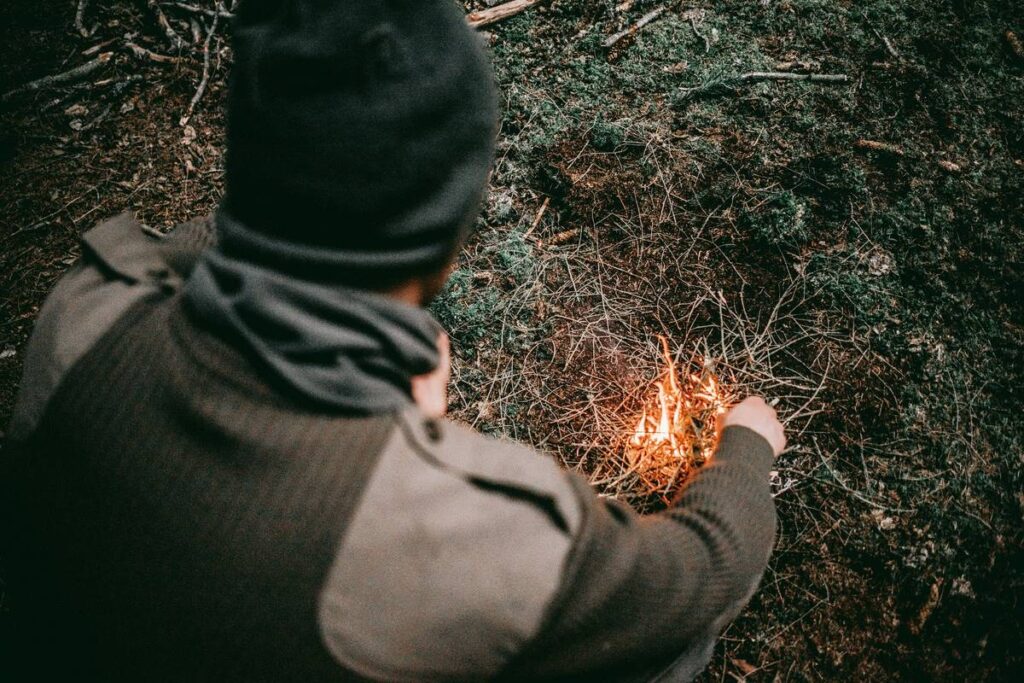
Master water purification, fire-making, shelter-building, and navigation before heading out. Use trusted resources like the U.S. Forest Service’s wilderness safety guides.
3. Choose a Legal, Low-Risk Location
Start near civilization—ideally on public land that permits dispersed camping. Never trespass or camp in protected zones.
4. Pack a Minimalist Kit
Your essentials: fixed-blade knife, ferro rod, paracord, space blanket, and water filter. That’s it. If your pack weighs over 10 lbs, you’re overpacking.
5. Execute & Reflect
Spend one night only on your first try. Document what worked—and what didn’t. Then refine.
Top 5 Best Practices for Safe & Effective Survival Camping
- Prioritize water over food: You can survive weeks without calories but only days without hydration. Always carry a reliable filter.
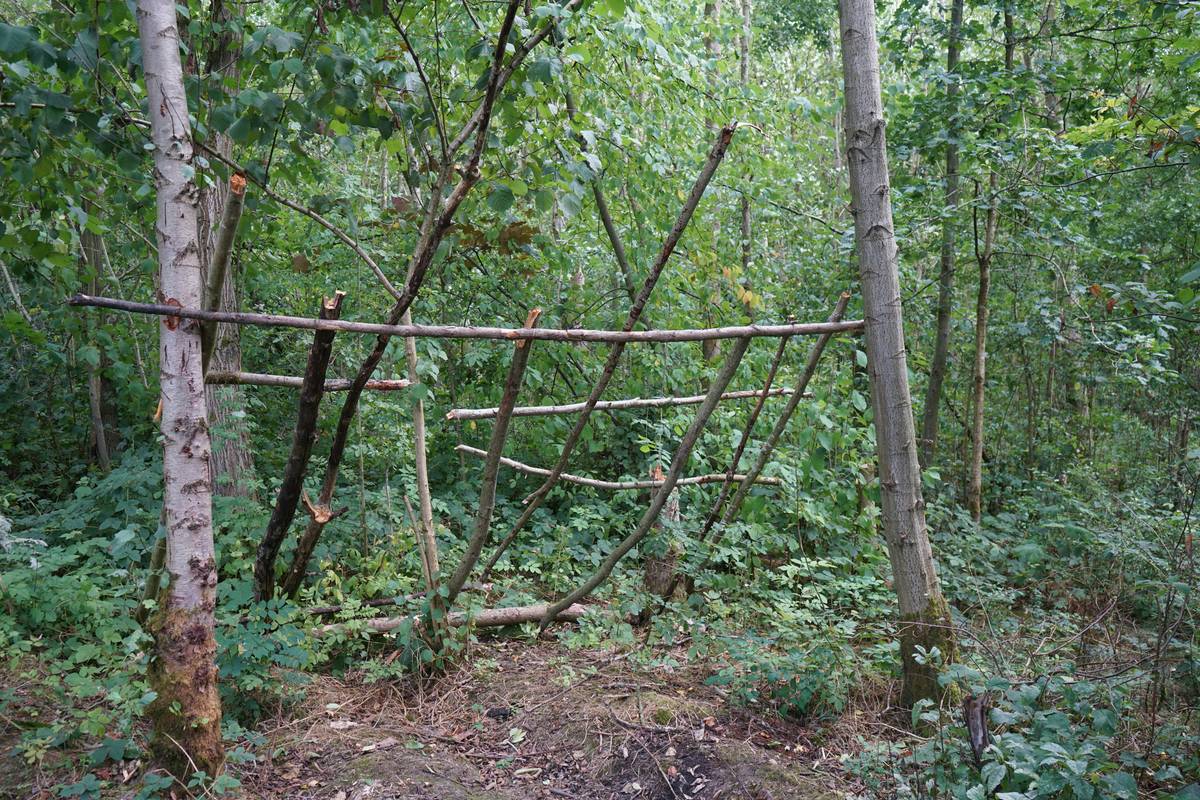
- Build shelter before dark: I once waited until sunset to start my debris hut—big mistake. Got soaked, shivered all night, and vowed never again.
- Carry a satellite communicator: Not “cheating”—it’s responsible. Garmin inReach devices have saved thousands, per NIH-backed emergency response data.
- Avoid cotton clothing: It wicks heat when wet. Wool or synthetics only.
- Never skip location sharing: Tell someone your exact coordinates and return time. Update them if plans change. We detail our safety protocols in our Privacy Policy because your data—and life—matter.
Real-World Examples: When Theory Meets Trail
Last spring, a student from our online course tested his skills in Colorado’s San Isabel National Forest. Armed only with a knife and tarp, he sourced water from a spring (treated with chlorine dioxide), built a lean-to against wind-driven rain, and subsisted on foraged cattail roots. He returned exhausted but empowered—proof that structured online learning, paired with deliberate practice, works.
Contrast that with a viral TikTok trend encouraging “zero-gear challenges.” One influencer attempted survival camping without any tools in Arizona desert terrain. He lasted six hours before heat exhaustion forced a 911 call. Moral? Digital bravado ≠ real competence. True survival camping respects nature’s rules—not social media algorithms.
Frequently Asked Questions
What’s the difference between survival camping and bushcraft?
Bushcraft focuses on sustainable wilderness living using crafted tools; survival camping emphasizes immediate, short-term emergency response with minimal resources.
Do I need special permits for survival camping?
Yes—on federal lands like national forests, dispersed camping often requires free permits. Check local BLM or Forest Service offices.
Can beginners try survival camping safely?
Absolutely—but start with guided instruction (like our modules at Surfside Skills) and never solo your first outing.
Is survival camping dangerous?
Only if you skip preparation. With proper training, risk drops significantly. Always carry emergency comms.
How does online education help with survival camping?
It provides structured curriculum, expert demonstrations, and community feedback—critical before risking real-world application.
What exactly is survival camping?
Survival camping is an outdoor practice where individuals rely solely on minimal gear and natural resources to meet basic needs—shelter, water, fire, and food—in a remote setting, simulating emergency or self-reliant scenarios.
So, what is survival camping? It’s not a stunt. It’s a discipline—one that blends humility with hard-won skill. If you’re ready to take your outdoor education seriously, contact us for our beginner survival checklist. And remember: the forest doesn’t care how many followers you have—only if you respect its rules.
Water found, fire lit, shelter built—you’re not surviving. You’re belonging.