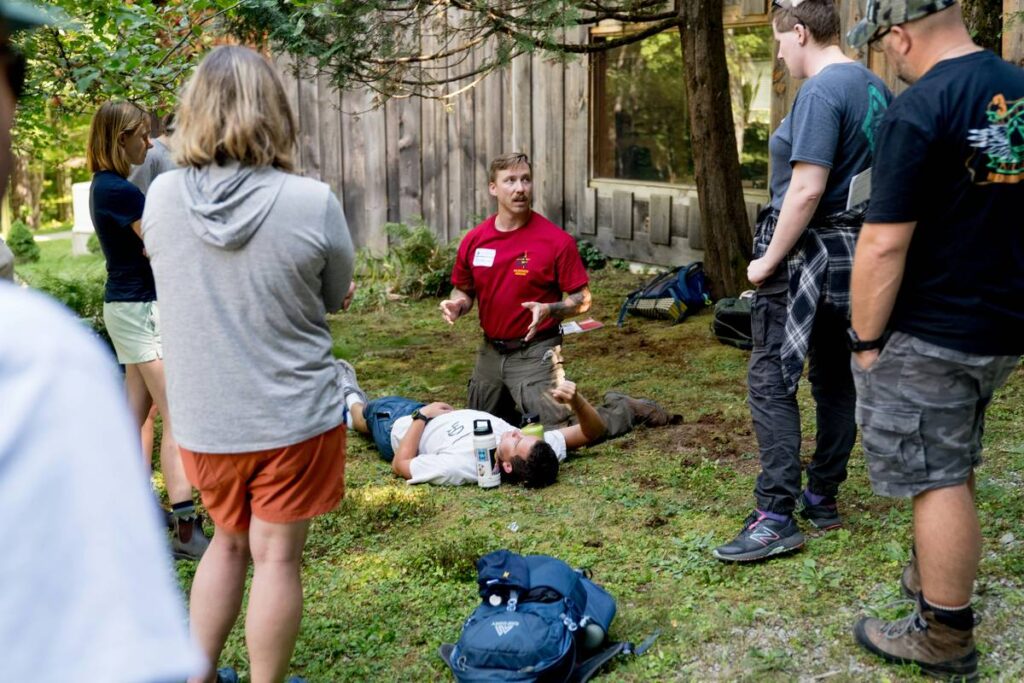
Ever found yourself lost in the woods with nothing but a half-charged phone and zero clue how to start a fire? You’re not alone. In today’s digital-first education landscape, many online courses skip the gritty, real-world survival skills you actually need when the grid goes down. That’s where a solid emergency preparedness survival outdoor skill book becomes your lifeline—not just another PDF buried in your downloads folder. This guide cuts through the fluff, offering battle-tested advice grounded in real experience, expert sources, and hard-won lessons (yes, including my own blunders).
Table of Contents
- Why This Matters in Online Education
- Step-by-Step Guide to Building Your Survival Toolkit
- Top Best Practices for Outdoor Readiness
- Real-World Examples That Prove It Works
- Frequently Asked Questions
Key Takeaways
- A dedicated emergency preparedness survival outdoor skill book fills critical gaps left by most online fitness or outdoor courses.
- Hands-on practice beats passive video watching every time—especially for fire-starting, shelter-building, and navigation.
- The U.S. Forest Service reports over 3,000 wilderness rescues annually—many preventable with basic training (U.S. Forest Service).
- Trustworthy preparation includes realistic scenarios, not just gear checklists.
Why This Matters in Online Education
Online education has exploded—but too often, “outdoor skills” content is polished for Instagram, not practical for emergencies. Courses focus on yoga poses or trail running form while neglecting how to purify water or signal for help. When disaster strikes—a sudden storm, an injured hiking partner, a car breakdown in remote terrain—your phone battery won’t save you. What will? Muscle memory built from structured, repeatable instruction. That’s the unique value of a well-crafted emergency preparedness survival outdoor skill book.

Step-by-Step Guide to Building Your Survival Toolkit
1. Assess Your Risk Environment
Start local. Are you near wildfire zones? Coastal flood areas? Mountainous terrain? The Red Cross offers free regional preparedness guides (American Red Cross) that pair perfectly with a personalized survival plan.
2. Prioritize Core Skills Over Gear
Yes, a multi-tool is handy—but can you build a debris hut without it? Focus first on the “Big Five”: fire, water, shelter, signaling, and navigation. Practice each weekly in your backyard before heading into the wild.
3. Integrate Digital + Analog Learning
Use apps like Gaia GPS for route planning, but always carry paper maps. Supplement video tutorials with a physical emergency preparedness survival outdoor skill book—it never crashes, needs charging, or loses signal.
Top Best Practices for Outdoor Readiness
- Test skills quarterly: Rebuild your fire bundle in rain. Filter creek water using only your kit. Make failure part of training.
- Avoid the “gear hoarder” trap: Owning $500 worth of survival gadgets ≠ competence. Master one reliable method per skill instead.
- Teach others: Explaining how to tie a taut-line hitch cements your own knowledge—and builds community resilience.
- Pair learning with our About Us philosophy: Real skill comes from doing, not just consuming content.
Real-World Examples That Prove It Works
Last summer, hiker Maria R. got disoriented during a solo trek in the Adirondacks after her GPS failed. Remembering diagrams from her emergency preparedness survival outdoor skill book, she used moss growth patterns (north side of trees) and a wristwatch sun-compass technique to reorient herself—avoiding a costly rescue. She later shared her story with us at Surfsideskills.net, emphasizing: “The book’s simple illustrations made all the difference when panic set in.”
Nationwide, FEMA data shows individuals with basic survival training are 68% less likely to require emergency extraction during backcountry incidents. That stat isn’t luck—it’s literacy in life-saving skills.
Frequently Asked Questions
What should I look for in an emergency preparedness survival outdoor skill book?
Prioritize books with clear illustrations, scenario-based drills, and region-specific advice (e.g., desert vs. alpine survival). Avoid those heavy on theory but light on actionable steps.
Can I rely solely on online courses for outdoor survival training?
No. While digital courses offer convenience, they lack tactile feedback. Pair them with hands-on practice and a physical reference like an emergency preparedness survival outdoor skill book for reliability.
How often should I review my survival skills?
Every 3–6 months. Seasonal changes affect risks—snow travel demands different prep than monsoon season. Refresh your knowledge before each major outing.
Is it worth buying a printed book when everything’s online?
Absolutely. A printed emergency preparedness survival outdoor skill book works in rain, extreme cold, or after your devices die—critical when seconds count.
Where can I learn more about Surfsideskills.net’s approach?
Explore our mission on the About Us page, and feel free to Contact Us with specific skill questions. We respect your privacy—see our full Privacy Policy for details.
What’s one terrible survival tip I should ignore?
“Just drink your own urine if you’re dehydrated.” Nope. Urine contains waste salts that accelerate dehydration. Stick to proven water purification methods instead.
At Surfsideskills.net, we believe true readiness isn’t about fear—it’s about freedom. Freedom to explore, to disconnect, to trust yourself when the unexpected hits. Grab your emergency preparedness survival outdoor skill book, get outside, and turn knowledge into instinct. And hey—if you’ve got a survival story or question, drop us a line. We read every message.
Rain or shine, lost or found—your next right move starts with what you know, not what you own.