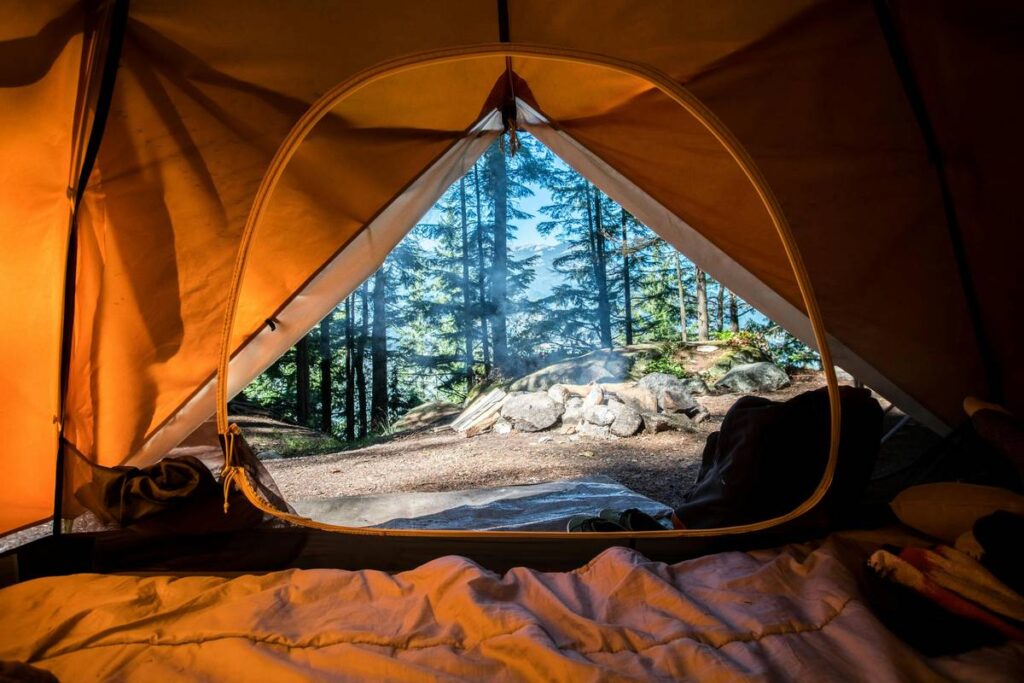
You signed up for that “wilderness survival skills for beginners” course. Watched the videos. Took the quiz. Felt confident—until you got lost on a weekend hike and realized your phone had zero signal. Panic sets in fast. The truth? Most beginner programs teach theory, not instinct. They prep you for a classroom—not a thunderstorm at 2 a.m. with wet matches and a growling stomach. Here’s how to actually survive when it matters.
Why Most Wilderness Survival Skills for Beginners Fail in Real Life
Online courses love checklists: fire, water, shelter, food. Clean. Neat. Wrong. In reality, your biggest threat isn’t bears—it’s decision fatigue compounded by cold, hunger, and fear. You don’t need more information. You need muscle memory forged through deliberate, messy practice.
And here’s the kicker: many “certified” instructors have never spent 72 hours alone in actual wilderness conditions. They teach what looks good on a syllabus—not what works when your fingers are numb and your morale is gone.
The Step-by-Step Guide to Building Real Survival Instincts
Start With Mental Resilience—Not Rope Knots
Your brain is your primary survival tool. Train it before your hands. Practice “stress inoculation”: simulate discomfort intentionally. Sleep on your porch in light rain. Walk barefoot on gravel. Sounds extreme? Good. Discomfort tolerance separates the panicked from the prepared.
Master the “Big Three” in Under 10 Minutes
Forget building elaborate debris huts. Focus on speed and redundancy. Can you get dry, warm, and hydrated within 10 minutes of stopping? That’s your benchmark. Use a space blanket + trash bag combo for instant shelter. Carry chlorine dioxide tablets—not filters—for reliable water purification. And always carry two ignition methods: ferro rod and stormproof matches.

Navigation Without GPS: The Sun-and-Shadow Stick Method
No compass? No problem. Plant a straight stick vertically in level ground. Mark the tip of its shadow with a stone (Point A). Wait 15 minutes. Mark the new shadow tip (Point B). Draw a line between them—this runs east-west. North is perpendicular. It’s crude but works anywhere on Earth with daylight.
| Survival Priority | Beginner Mistake | Expert Fix | Time to Implement |
|---|---|---|---|
| Shelter | Building complex lean-tos | Use natural overhangs + body heat retention (trash bag liner) | <5 min |
| Water | Boiling everything | Chemical treatment + pre-filtering through cloth | <2 min |
| Fire | Reliance on lighters only | Ferro rod + cotton ball with petroleum jelly as backup | <3 min (even wet) |
| Signaling | Hollering randomly | Mirror flashes (3 bursts = SOS) + ground-to-air symbols | Instant |

The Industry Secret: Survival Isn’t About Gear—It’s About Gaps
Here’s what no course admits: gear fails. Batteries die. Zippers break. The real skill? Bridging functional gaps with improvisation. That plastic soda bottle? It’s a water carrier, a lens for fire-starting, and a signaling device when filled with clear water. A shoelace becomes snares, stitches, or lashings. Survival isn’t about owning the right kit—it’s about seeing potential in what you already have.
Elite trackers I’ve trained with carry less than 3 pounds. Their secret? They practice “gap mapping”: identifying 3 alternative uses for every item they carry before ever leaving home. Try it. Your wallet? Remove cash, keep the plastic sleeve—it’s waterproof tinder storage.
FAQ
What are the top 3 wilderness survival skills for beginners?
Mental calmness, rapid shelter creation using minimal materials, and reliable water purification. Master these before worrying about foraging or trapping.
How long does it take to learn basic wilderness survival skills?
You can build functional competence in under 8 hours of focused, hands-on drills—but only if you simulate stress (cold, wet, tired). Passive watching teaches nothing.
Can you survive in the wild with no tools?
Yes—if you know friction fire, natural water sources (dew collection, transpiration bags), and how to build insulation from leaves/grass. But always carry a backup ignition source. Going “tool-less” is a test, not a strategy.