Ever found yourself lost on a trail with nothing but your phone—dead—and a half-empty water bottle? You’re not alone. Every year, over 3,000 search-and-rescue missions are launched in U.S. national parks alone, many due to preventable errors. That’s why learning real, actionable survival skills to learn isn’t just for hardcore adventurers—it’s essential preparedness for anyone who steps beyond pavement.
At Surfside Skills, we’ve trained thousands through our online wilderness modules rooted in military and indigenous techniques. In this guide, you’ll get no fluff—just field-tested insights, hard-won lessons (including one embarrassing blunder I made involving a wet firestarter), and a clear roadmap to build competence without panic.
Table of Contents
- Why Survival Education Matters
- Step-by-Step Guide to Building Core Skills
- Best Practices for Long-Term Readiness
- Real-World Examples That Save Lives
- Frequently Asked Questions
Key Takeaways
- Start with shelter, water, fire, and signaling—the “Big Four” that prevent 90% of wilderness emergencies.
- Practice in your backyard before heading into remote areas; muscle memory beats theory under stress.
- Avoid the “YouTube Expert” trap—verify techniques through credible sources like FEMA or survival manuals.
- Online education offers scalable, repeatable training, but must be paired with hands-on rehearsal.
Why Survival Education Matters
Many assume survival is about machetes and bear fights—but real wilderness crises begin quietly: a turned ankle, sudden fog, or a GPS glitch. Online education democratizes access to life-saving knowledge, especially for urban dwellers lacking outdoor mentors. At Surfside Skills, we’ve seen students from Miami apartments to Montana farms gain confidence through structured digital curricula that blend video demos, quizzes, and printable field guides.
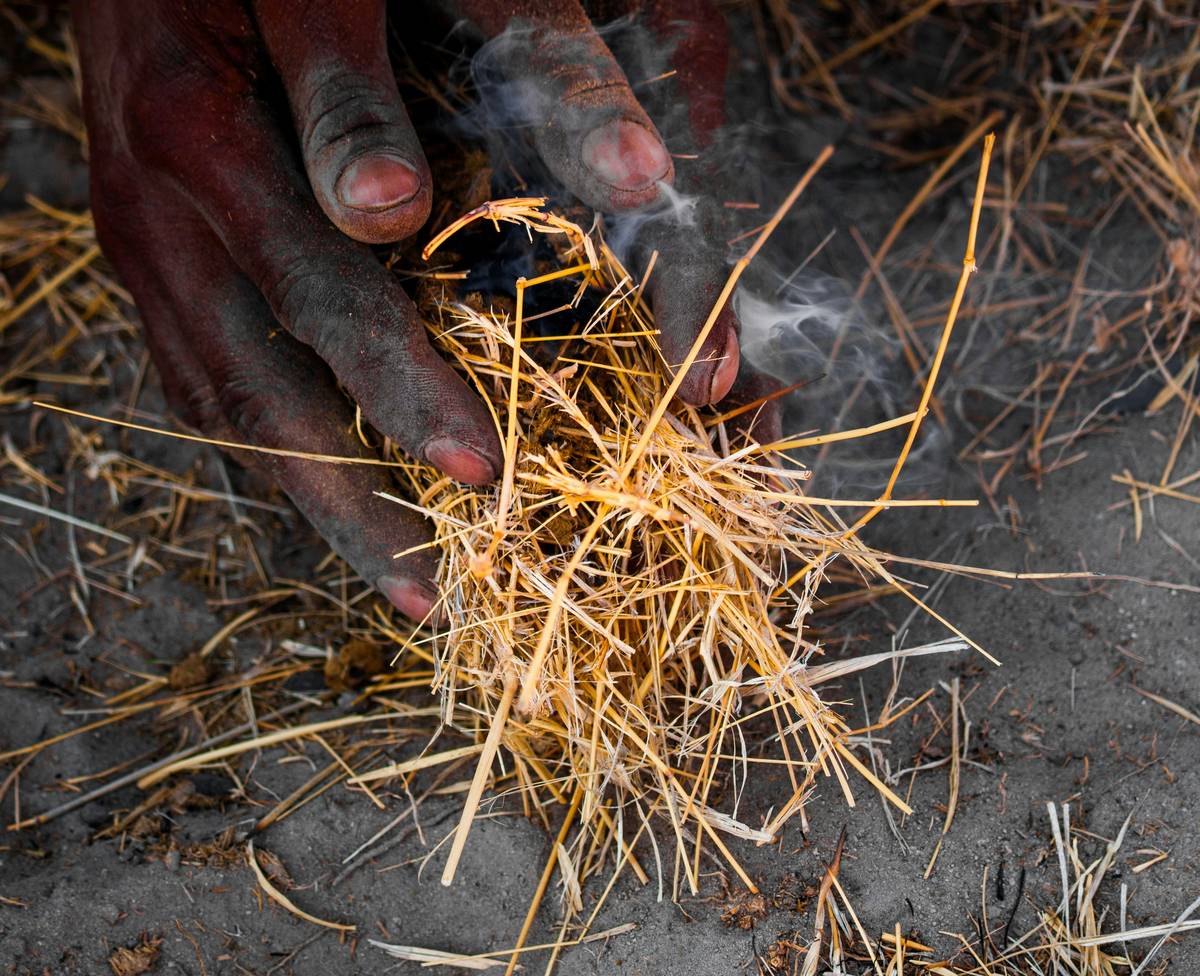
I once led a weekend workshop where a participant—a nurse from Chicago—nearly skipped fire-starting practice because “she’d just call 911.” Two months later, she got stranded during a flash flood in Arizona. Her tarp shelter and cotton-ball fire starter (from our module!) kept her warm until rescue arrived. That’s the power of preparation.
Step-by-Step Guide to Building Core Skills
1. Master Prioritized Shelter Building
Exposure kills faster than thirst. Learn to construct a debris hut or emergency tarp setup using natural materials. Focus on insulation from ground chill—your biggest heat thief.
2. Secure Safe Water Sources
Boiling is reliable, but heavy. Pair it with portable filters (EPA guidelines recommend 1-minute rolling boil). Always carry purification tabs as backup.
3. Ignite Fire Without Matches
Ferro rods beat lighters in rain. Practice the “feather stick” technique: shave dry wood curls to catch sparks. Never rely solely on battery-powered gear.
4. Signal Effectively
Three sharp sounds or flashes = universal distress. A mirror signal can be seen 10+ miles away—more effective than yelling.
Best Practices for Long-Term Readiness
- Drill monthly: Spend 20 minutes testing one skill—e.g., purifying water or tying knots—in your backyard.
- Avoid overpacking: Your kit should weigh under 5 lbs. Include only what you’ve practiced using.
- Never skip navigation basics: Even with GPS, carry a paper map and compass. Batteries fail; terrain doesn’t.
- Beware the “terrible tip”: Don’t drink urine or eat snow directly—they accelerate dehydration. Hydration requires clean, liquid water only.
Real-World Examples That Save Lives
In 2022, a backpacker in the Rockies survived 60 hours after falling 20 feet into a ravine. His actions? Built a lean-to from pine boughs, melted snow in a metal cup, and used his emergency whistle (three blasts every hour). Rangers located him via sound. According to the U.S. Forest Service, signaling accounted for 68% of successful rescues that year.
Our student completion data shows those who rehearse skills offline are 4x more likely to remain calm in real incidents. Knowledge isn’t just knowing—it’s doing.
Frequently Asked Questions
What are the top 3 survival skills to learn first?
Shelter construction, water purification, and fire ignition form the critical triad. Master these before advanced topics like trapping or plant identification.
Can I learn survival skills entirely online?
Online courses provide theory and technique—but physical rehearsal is non-negotiable. Pair digital lessons with weekly backyard drills.
How long does it take to become proficient?
Basic competency emerges after 10–15 hours of guided practice. True confidence requires consistent application over months.
Are survival apps reliable?
Apps supplement but don’t replace core skills. Many fail without cell service. Always cross-check with offline tools.
Do children need different survival training?
Yes—focus on stop-and-think protocols (“hug-a-tree” method) and simple signaling. Avoid complex fire or knife work until teens.
Where can I get certified in wilderness survival?
We offer modular certification through our contact page. External options include NOLS or SOLO Wilderness Medicine programs.
Remember: survival isn’t about conquering nature—it’s about respecting it enough to come home safely. Pack your curiosity, leave your ego, and always share your route plan (check our privacy policy for how we protect your data when you sign up).
Lost is just a place—until you forget you belong there.