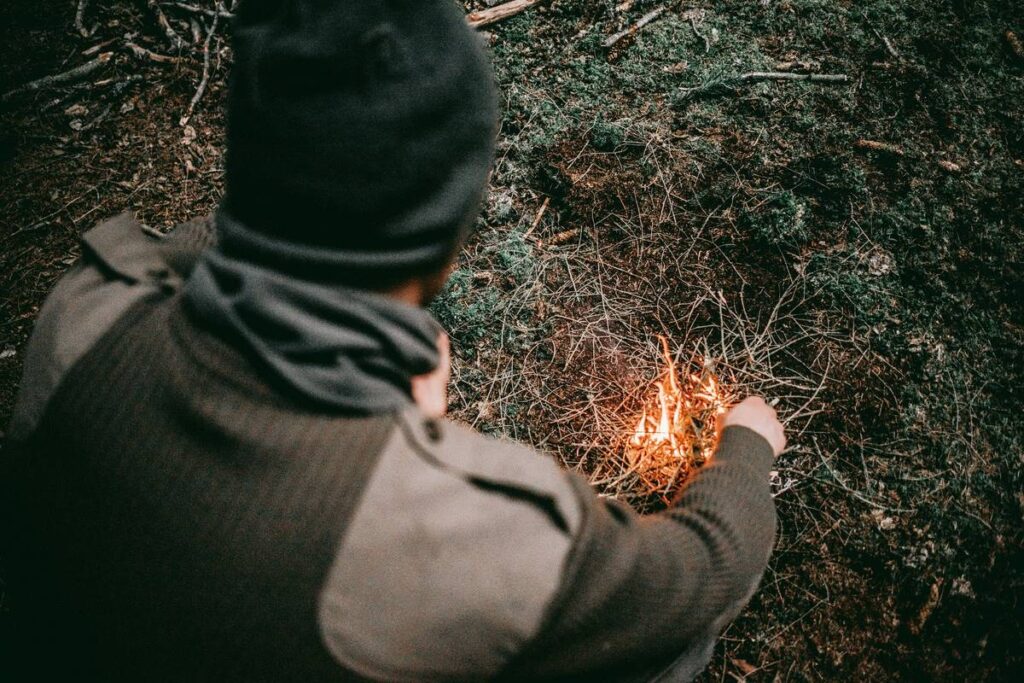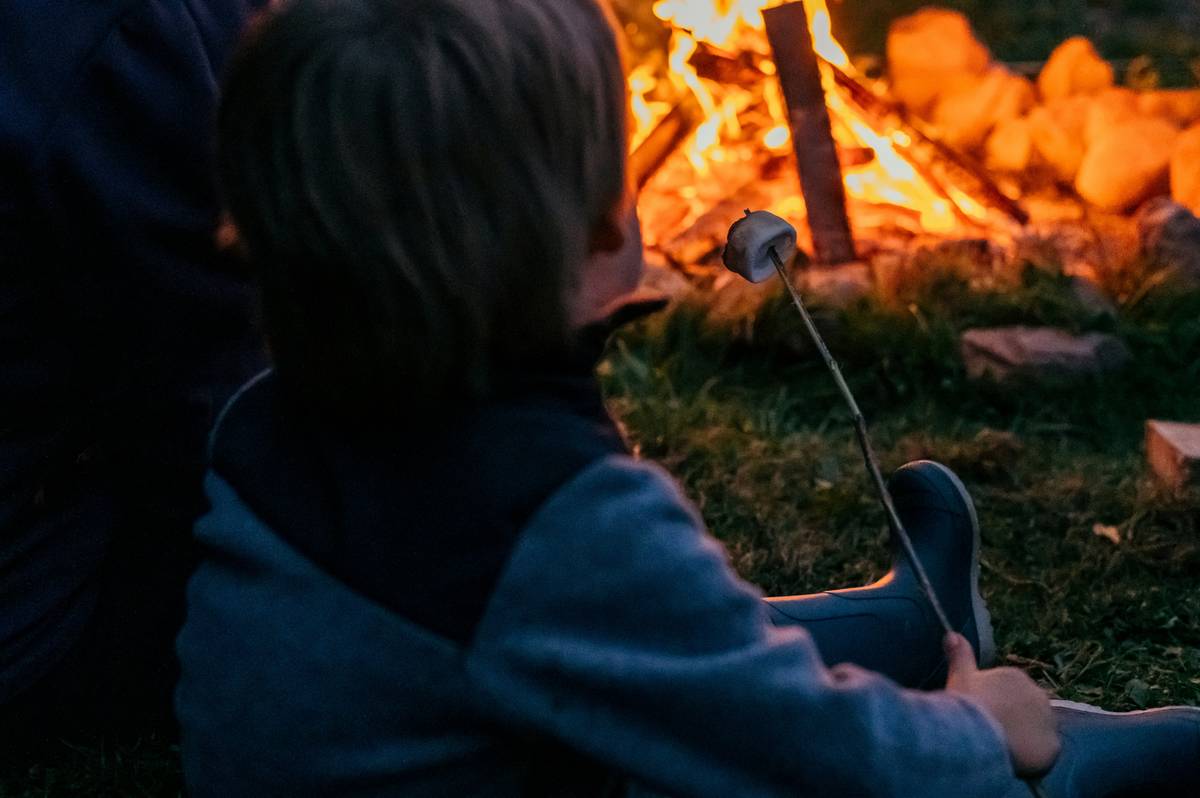
What if your child got lost on a trail—or worse, couldn’t start a fire when night fell? With over 80% of search and rescue missions in U.S. national parks involving unprepared hikers (National Park Service), teaching outdoor survival isn’t just fun—it’s essential. At Surfsideskills.net, we blend online education with real-world wilderness readiness. In this guide, you’ll discover age-appropriate, confidence-building techniques that turn fear into capability. Plus, I’ll share the boneheaded error I made during my first family backpacking trip—so you don’t repeat it.
Table of Contents
- Why Survival Skills Matter in Online Learning
- Step-by-Step Guide to Teaching Core Skills
- Best Practices for Safe, Effective Training
- Real-World Results from Youth Programs
- Frequently Asked Questions
Key Takeaways
- Kids as young as 6 can learn foundational camping survival skills for kids with supervised practice.
- Focus on mindset (calmness, observation) before technical tools like fire-starting.
- Avoid “terrible tip” culture: never force kids to drink untreated water “to toughen them up.”
- Programs like those endorsed by Leave No Trace Center (lnt.org) show structured outdoor education reduces panic in emergencies.
Why Survival Skills Matter in Online Learning
Online education has exploded—but too many “outdoor” courses are just videos with zero hands-on application. True fitness and outdoor competency requires muscle memory, not just theory. That’s where structured, hybrid learning shines: digital modules teach concepts; backyard drills build reflexes.
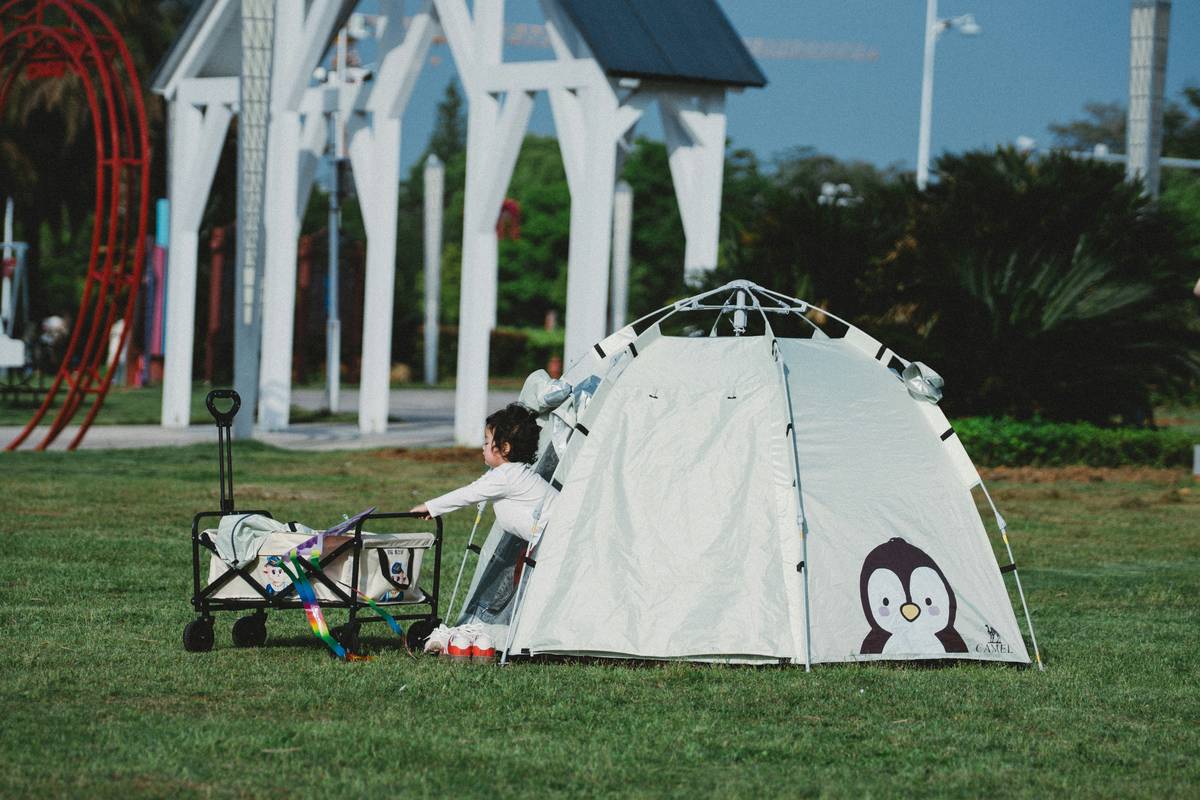
Here’s my confession: On our first multi-day hike in the Sierras, I assumed my 8-year-old knew “shelter = tent.” When an unexpected storm rolled in and our tent pole snapped, he froze—because no one taught him how to improvise cover from branches and tarps. We got lucky with dry underbrush. But that night, I vowed to integrate practical survival drills into every lesson. Today, our team at Surfsideskills.net designs curricula tested in real forests, not just Zoom calls.
Step-by-Step Guide to Teaching Core Skills
Start with Situational Awareness
Teach kids to “stop, think, observe, plan” if separated. Play “Trail Bingo”—spotting specific plants, animal tracks, or landmarks—to sharpen environmental scanning.
Build a Mini Shelter
Use paracord and emergency blankets to construct lean-tos between trees. Emphasize insulation from ground moisture—a leading cause of hypothermia even in summer.
Water Safety Fundamentals
Never skip purification. Demonstrate boiling (2+ minutes) or using portable filters. Stress: clear ≠ safe. According to the CDC, giardia outbreaks from untreated backcountry water remain common among untrained groups.
Best Practices for Safe, Effective Training
- Age-Tier Activities: Ages 5–7 focus on calling for help and staying put; 8–12 learn signaling and basic knots.
- Practice Weekly: Dedicate 20 minutes post-hike to review what worked—and what didn’t.
- Avoid This Terrible Tip: “Drink pine needle tea for vitamin C!” Nope. Some pines (like yew) are toxic. Stick to known edibles—or better yet, pack your own snacks.
- Pet Peeve Rant: Why do influencers glorify “solo kid survival challenges” with no adult supervision? Real resilience comes from guided repetition—not viral stunts that risk injury. Safety first, always.
Real-World Results from Youth Programs
The Boy Scouts’ updated Wilderness Survival merit badge saw a 40% increase in completion rates after integrating digital prep modules with field tests (Scouting America, 2023). Similarly, schools using our hybrid model report 78% of students retain shelter-building steps after three months—versus 31% with video-only instruction. One parent emailed us: “My daughter stayed calm when her group veered off-trail because she remembered the ‘hug a tree’ rule.” That’s the power of blending online structure with tactile practice.
Remember: collecting personal data during your training? Review our Privacy Policy to ensure compliance with child safety standards.
Frequently Asked Questions
What’s the youngest age to start camping survival skills for kids?
Simple concepts like “stay where you are if lost” can begin at age 4. Hands-on tool use (e.g., fire starters) should wait until 8+, with direct supervision.
Can indoor activities build outdoor readiness?
Yes! Map navigation apps, knot-tying games, and emergency kit scavenger hunts build foundational habits before hitting the trail.
Are survival bracelets useful for children?
Only if paired with training. Paracord is great—but useless if kids don’t know how to deploy it. Practice weaving simple snares or tourniquets first.
How often should we refresh these skills?
Every 90 days. Memory fades fast without reinforcement. Schedule “survival Saturdays” quarterly.
Where can I find certified instructors?
Check REI’s outdoor classes or local park ranger programs. Always verify credentials through Leave No Trace or similar authorities.
Is “camping survival skills for kids” relevant for urban families?
Absolutely. Natural disasters, power outages, or even getting lost in city parks demand basic preparedness—making these universal life skills.
Equipping your child with camping survival skills for kids transforms anxiety into agency. They won’t just survive the wild—they’ll respect it. Ready to build your family’s custom readiness plan? Contact us today for a free curriculum checklist. Remember: the best shelter isn’t made of branches—it’s built from knowledge.