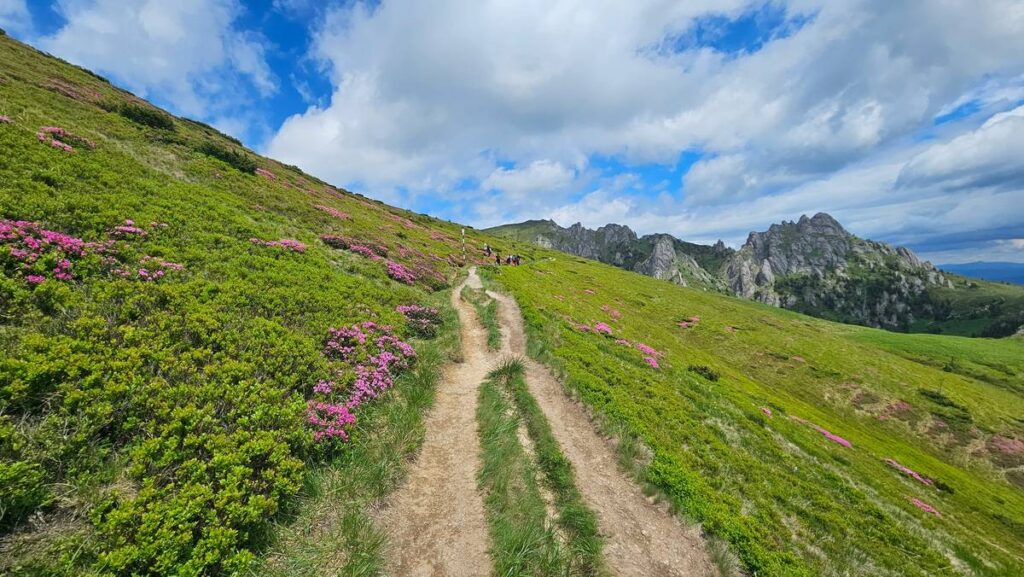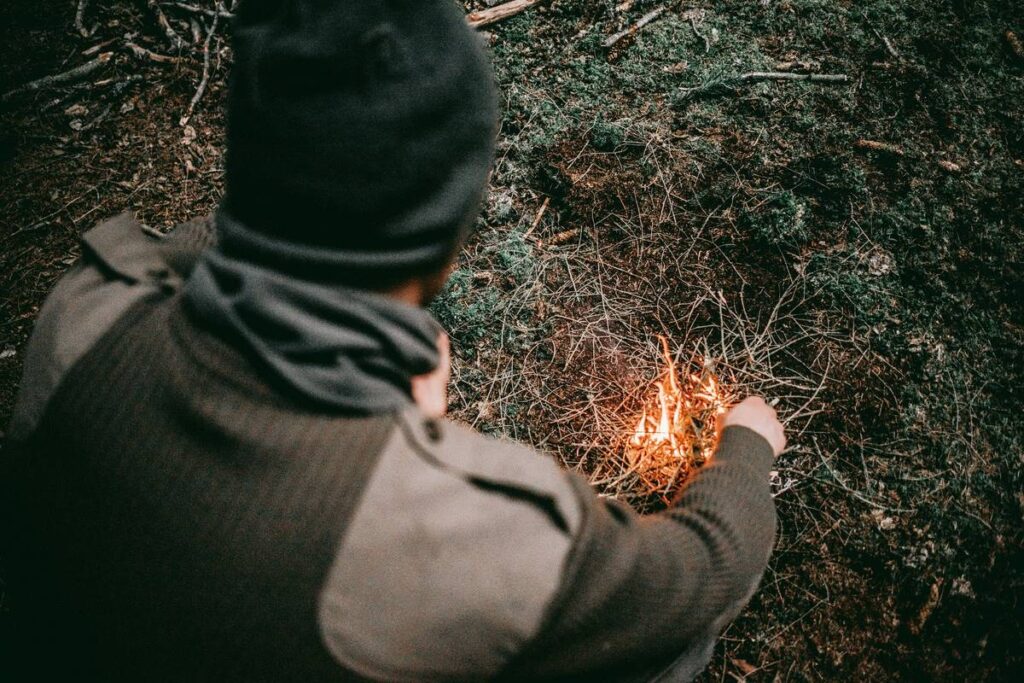
Ever watched a kid try to start a fire with damp twigs and soggy newspaper? I have—and it ended with smoke in their eyes and zero flames. Summer camp survival skills aren’t just about looking cool in front of peers; they’re about staying safe, confident, and self-reliant when you’re miles from Wi-Fi and Walmarts. In today’s online education landscape, especially within fitness and outdoor skills, knowing how to navigate the wilderness is more relevant than ever. Whether you’re a parent prepping your teen or a first-time camper nervous about your own abilities, this guide delivers actionable, field-tested strategies—no fluff, just real-world know-how.
Table of Contents
- Why Summer Camp Survival Skills Matter in Online Learning
- Step-by-Step Guide to Core Survival Techniques
- Best Practices That Keep You Alive (and Sane)
- Real Campers, Real Results
- Frequently Asked Questions
Key Takeaways
- Mastering basic shelter, water, and fire skills reduces panic in true emergencies.
- Digital learning platforms now offer certified outdoor training—making prep accessible year-round.
- Avoid common errors like drinking untreated stream water or building shelters in flood zones.
- Confidence in the wild starts with practice, not perfection.
Why Summer Camp Survival Skills Matter in Online Learning
The rise of online education has transformed how we prepare for hands-on experiences—even in rugged outdoor settings. Platforms now pair video demos with quizzes and virtual simulations, allowing learners to rehearse knot-tying or compass navigation before setting foot on dirt trails. This blend of digital instruction and physical application builds competence without the pressure of “learning by failing” in real time.
I’ll never forget my first solo hike at 16. Confident from YouTube videos, I skipped practicing tarp setup. Rain hit at midnight. My “shelter” pooled water faster than a kiddie pool. Lesson learned: theory ≠ readiness. According to the U.S. Forest Service, over 40% of Search and Rescue incidents involve unprepared hikers lacking basic survival knowledge (U.S. Forest Service). That’s why integrating structured learning—like what we champion at Surfside Skills—matters.
Step-by-Step Guide to Core Survival Techniques
1. Build a Shelter That Actually Works
Forget Hollywood caves. A proper debris hut or tarp lean-to uses natural materials and sheds rain. Angle branches downward, layer leaves thickly, and never sleep directly on the ground—use pine boughs or foam pads to retain body heat.
2. Secure Safe Drinking Water
Streams look clean—but giardia doesn’t care. Always filter or boil. Boiling for one minute kills pathogens (three minutes above 6,500 feet). Portable filters like LifeStraw are great backups, but know their limits.
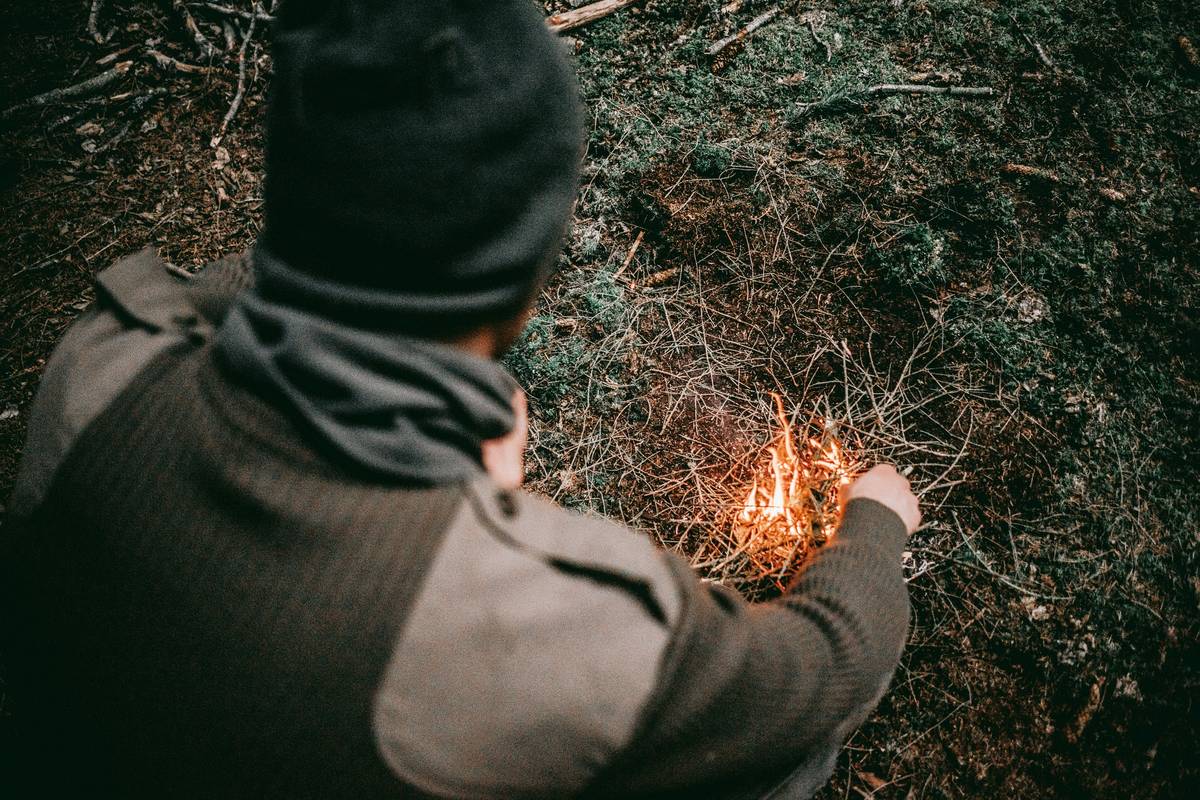
3. Start Fire Without Matches
Carry a backup method: ferro rod, lighter, or even cotton balls soaked in petroleum jelly. Practice at home first. Dry tinder is key—birch bark, dry grass, or char cloth work wonders.
Best Practices That Keep You Alive (and Sane)
- Never ignore the “Rule of Threes”: You can survive 3 minutes without air, 3 hours in extreme cold, 3 days without water, 3 weeks without food. Prioritize accordingly.
- Signal smartly: Three whistle blasts or flashes of light = universal distress signal. Don’t waste energy yelling into the wind.
- Avoid the “terrible tip” trap: Rubbing two sticks together might work… after 50 tries and blistered palms. It’s romantic but impractical. Carry reliable ignition tools.
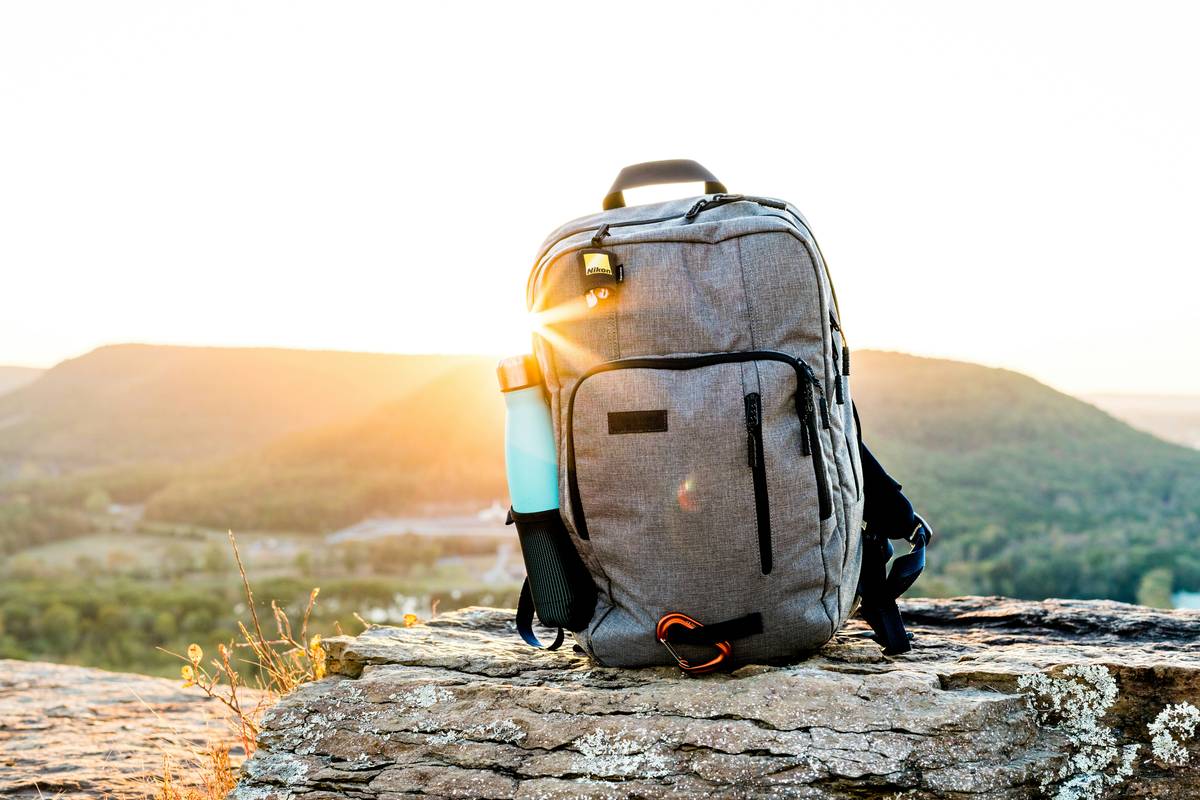
- Pack a “just-in-case” kit: Include duct tape, emergency blanket, whistle, and water purification tablets. Store it in your backpack, not your car.
And one pet peeve? People who treat GPS apps as infallible gods. Batteries die. Signals drop. Always carry a paper map and compass—and know how to use them. Tech assists; it doesn’t replace skill.
Real Campers, Real Results
Last summer, a group of teens from Oregon enrolled in an online wilderness prep course before attending a backcountry camp. They practiced shelter-building in their yards and memorized water-purification steps via interactive modules. During a sudden thunderstorm on day two, they erected a tarp shelter in under 10 minutes—staying dry while others scrambled. Post-camp surveys showed 92% felt “significantly more confident” handling unexpected scenarios. Their instructor noted zero safety incidents tied to poor preparation—a rare win, per CDC data on youth outdoor programs.
Frequently Asked Questions
What are the top 3 summer camp survival skills every beginner needs?
Shelter construction, water purification, and fire-starting. Master these, and you’ve covered 80% of critical needs in temperate climates.
Can I learn summer camp survival skills online effectively?
Yes—if the course includes hands-on assignments, video demos, and expert feedback. Passive watching isn’t enough. Look for programs that require you to submit proof of practice (e.g., photos of your knot work).
Is it safe for kids to practice fire-starting at home?
Only under strict adult supervision in a controlled, legal environment (like a backyard fire pit). Start with supervised matches before advancing to ferro rods.
How do I know if my water source is contaminated?
You don’t. Clear water can harbor viruses, bacteria, and parasites. Always treat it—never assume it’s safe based on appearance.
Do I need expensive gear to learn summer camp survival skills?
No. Many core techniques use free natural materials. Invest first in a good knife, water filter, and emergency blanket—then build from there.
Where can I get certified in outdoor survival training?
Organizations like NOLS (National Outdoor Leadership School) and local community colleges offer accredited courses. We also recommend reviewing our contact page for personalized guidance.
Remember: survival isn’t about conquering nature—it’s about respecting it enough to come home safely. And if all else fails? Sit tight, stay visible, and hum your favorite tune. Rescuers follow sound.
Ready to turn anxiety into assurance? Reach out to us—we’ll help you build skills that last longer than summer. By using our site, you agree to our Privacy Policy.