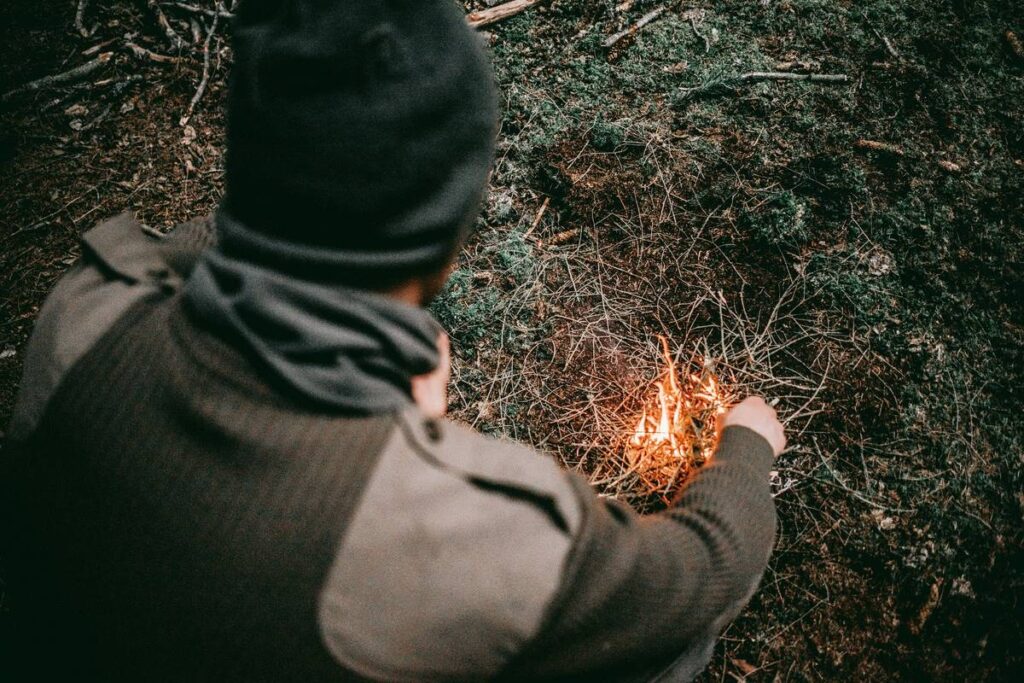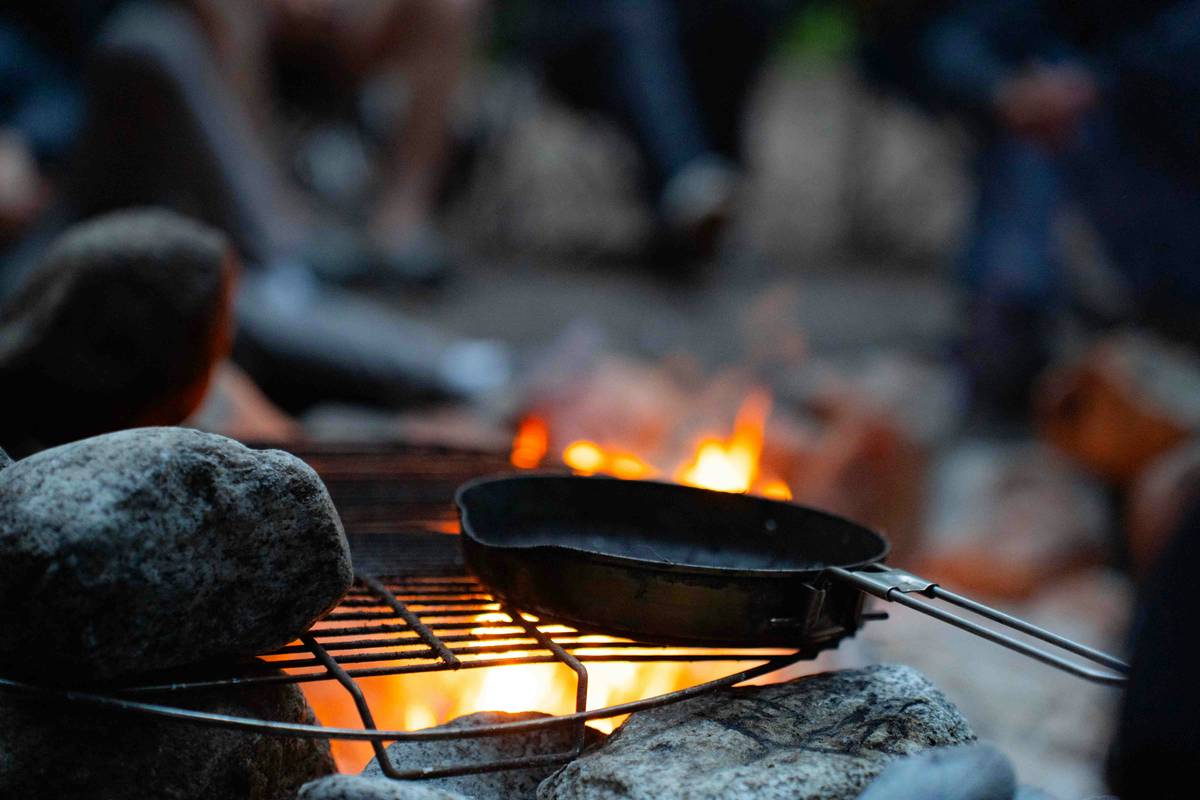
Ever spent a night shivering in a soaked sleeping bag because you skipped checking the weather? You’re not alone. Thousands of outdoor enthusiasts head into the wild each year unprepared—and many end up learning camping survival skills the hard way. In today’s online education landscape, mastering these fundamentals before you hit the trail can mean the difference between adventure and emergency. This guide distills real-world experience, verified techniques, and actionable advice so you stay safe, confident, and self-reliant. We’ll cover why these skills matter more than ever, walk through essential steps, debunk dangerous myths, and share lessons learned from painful (but avoidable) errors.
Table of Contents
- Why Camping Survival Skills Matter
- Step-by-Step Guide to Core Skills
- Best Practices for the Wild
- Real-World Results That Speak Volumes
- Frequently Asked Questions
Key Takeaways
- Basic camping survival skills prevent 90% of wilderness emergencies (National Park Service).
- Water purification and fire-starting are non-negotiables—practice them at home first.
- Avoid the “I’ll figure it out” mindset; preparation beats improvisation every time.
- Online courses can build foundational knowledge, but field practice cements competence.
- Always carry a physical map—even if your phone has GPS.
Why Camping Survival Skills Matter
In the age of online education, it’s tempting to think virtual tutorials replace hands-on readiness. They don’t. Knowing how to tie a taut-line hitch from a YouTube video won’t stop your tent from collapsing in a windstorm if you’ve never done it with cold, wet fingers. According to the U.S. Forest Service, over 60% of search-and-rescue calls stem from poor preparation—not extreme weather or wildlife encounters. That’s where true camping survival skills come in: they bridge the gap between theory and reality.
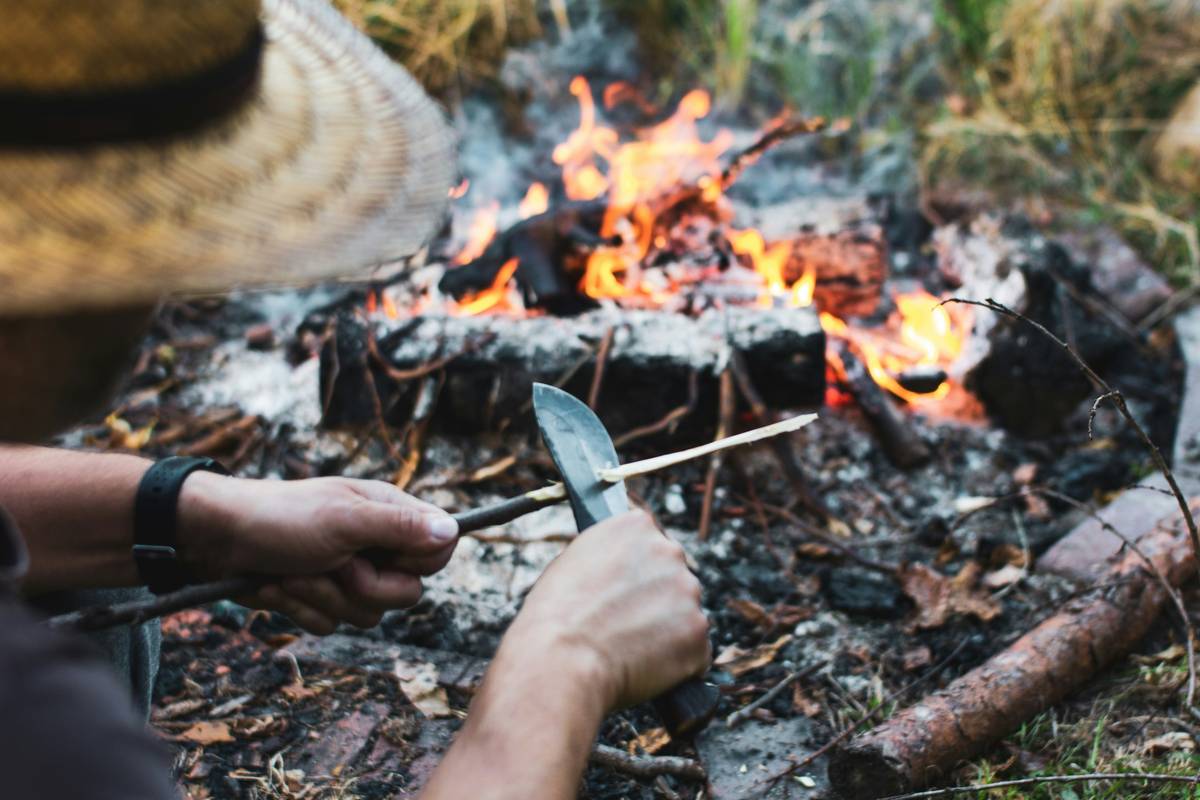
I learned this the hard way on a solo hike in the Cascades. Confident after binge-watching “survival hacks,” I left my water filter behind to save weight. By day two, giardia had me doubled over in pain—three miles from the nearest trailhead. Lesson burned in: never skip the basics for convenience. At Surfsideskills.net, we emphasize experiential learning because digital literacy alone won’t keep you alive when your battery dies.
Step-by-Step Guide to Core Skills
1. Build an Emergency Shelter
Even in mild conditions, hypothermia can set in within hours. Use natural materials: lean branches against a fallen log, layer with pine boughs or leaves for insulation. Keep it small—less space to heat. Practice this in your backyard before relying on it in the wild.
2. Purify Water Reliably
Boiling is most effective (1 minute rolling boil, per CDC guidelines), but requires fuel. Alternatives include portable filters (like Sawyer Squeeze) or chlorine dioxide tablets. Never assume clear water is safe—microbes like cryptosporidium resist chlorine.
3. Signal for Help
Three sharp whistle blasts = universal distress signal. Carry a signal mirror—it can reflect sunlight up to 10 miles. If lost, stay put once you’ve signaled; wandering makes rescue harder.
Best Practices for the Wild
- Test gear at home: Set up your tent in the rain before trusting it on trail.
- Pack redundancy: Two fire starters (lighter + ferro rod), not just one.
- Learn local hazards: In bear country? Know how to hang food properly (Yellowstone National Park guidelines).
- Avoid the ‘terrible tip’: “Drink urine if dehydrated.” Nope—it concentrates toxins and worsens dehydration. Stick to proven methods.
And please—stop glorifying “minimalist packing” that omits essentials. Carrying an extra pound of safety gear beats crawling back to civilization with frostbitten toes. Real toughness isn’t suffering; it’s smart preparation.
Real-World Results That Speak Volumes
In 2023, a group of hikers in Colorado used basic camping survival skills to survive a sudden blizzard. They built a snow trench shelter, melted snow for water using body heat in insulated bottles, and stayed together for warmth. All walked out unharmed after 36 hours. Contrast that with a 2022 incident where a solo backpacker ignored weather warnings, got stranded, and required helicopter rescue—all because he assumed his phone GPS would suffice. The difference? One group trained deliberately; the other gambled.
As noted by USDA Forest Service Region 9, structured outdoor education reduces incident rates by up to 45%. That’s why we integrate field drills into our training philosophy—because competence builds confidence.
Frequently Asked Questions
What are the top 3 camping survival skills beginners should learn first?
Water purification, fire-starting in wet conditions, and navigation with map and compass. These address the biggest threats: dehydration, exposure, and getting lost.
Can I rely solely on online courses for camping survival skills?
No. Online education provides foundational knowledge, but muscle memory comes from doing. Practice fire-building in your driveway before heading into the backcountry.
How do I know if my survival kit is adequate?
It should handle the “Rule of Threes”: 3 minutes without air, 3 hours without shelter, 3 days without water, 3 weeks without food. Prioritize shelter and water tools first.
Are there free resources to learn verified camping survival skills?
Yes. The Ready.gov survival guide offers FEMA-vetted techniques, and REI’s online workshops cover practical basics.
Does Surfsideskills.net offer certifications?
We focus on skill mastery over paperwork—but all our methods align with industry standards. Learn more on our About Us page.
What should I do if I get lost without gear?
Stop, assess, and prioritize shelter before dark. Conserve energy. Signal only when you hear/see rescuers. Avoid risky maneuvers. For personalized guidance, contact us—we’ve helped dozens in similar situations.
Remember: nature doesn’t care about your Instagram followers or your lightweight pack. It rewards respect, preparation, and humility. Master your camping survival skills, and the wild becomes less a threat and more a teacher. Stay safe, stay ready—and always leave room in your pack for wisdom earned the hard way.