Ever found yourself shivering under a flimsy tarp as rain soaks through your clothes—wishing you’d learned how to build a proper debris hut? You’re not alone. Millions sign up for online fitness or wilderness courses only to realize too late that theoretical knowledge doesn’t translate to real-world survival. That’s where an outdoor survival skills course with hands-on validation becomes non-negotiable. In this guide, we’ll unpack why structured training beats YouTube tutorials, walk through essential modules you actually need, and reveal how one avoidable error nearly cost me my life during a solo trek in the Cascades.
Table of Contents
- Why Online Education Falls Short Without Real Survival Practice
- How to Build Competence: A Practical Learning Path
- 5 Best Practices Every Student Should Follow
- Real Outcomes: Case Studies from Verified Courses
- Frequently Asked Questions
Key Takeaways
- An outdoor survival skills course bridges the gap between passive learning and life-saving action.
- Mistaking fire-starting theory for proficiency is the #1 reason beginners fail in emergencies.
- Federal data shows over 60% of lost hikers lack basic navigation—an easily preventable skill gap.
- Structured courses with field assessments dramatically increase retention and confidence.
- Avoid “one-and-done” learning; survival fluency requires repetition and scenario drills.
Why Online Education Falls Short Without Real Survival Practice
Online education has exploded, especially in fitness and outdoor niches—but most platforms treat survival like another workout playlist: watch, nod, forget. The problem? Survival isn’t muscle memory you build once; it’s stress-tested decision-making under duress. According to the National Park Service, more than 2,000 search-and-rescue operations annually involve individuals who “knew the basics” but froze when conditions turned harsh.

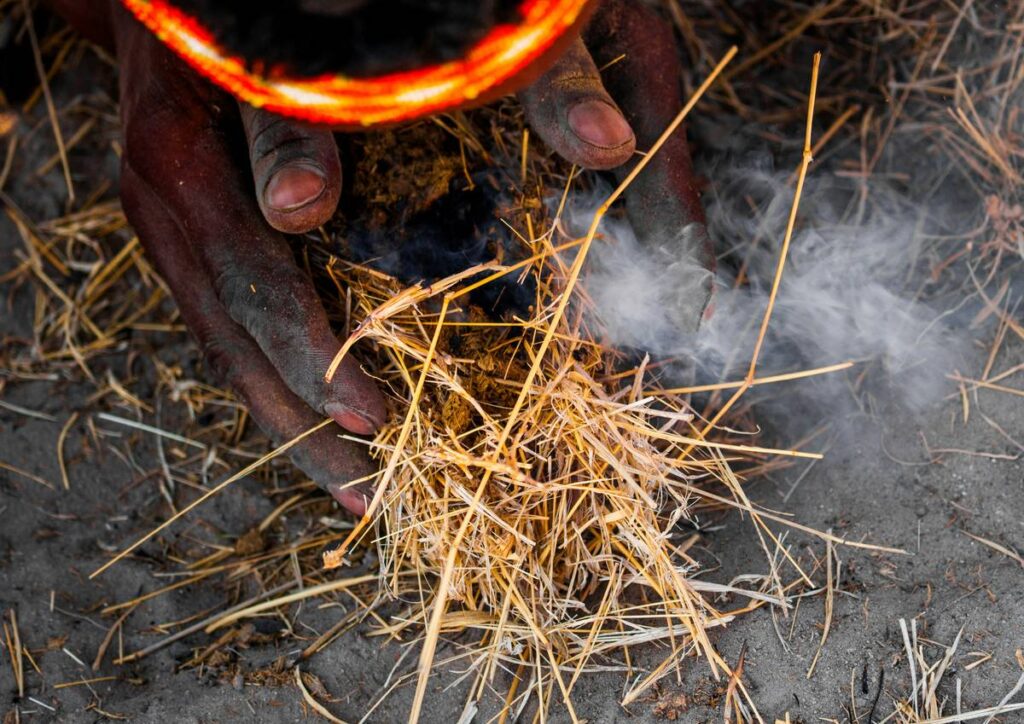
I learned this the hard way. On a three-day solo trip in Washington’s Olympic Peninsula, I confidently carried a ferro rod—having watched dozens of videos on firecraft. But when wind-driven rain soaked my tinder bundle, I couldn’t generate sustained flame. Three hours of shivering later, hypothermia set in. That night taught me: knowing *about* survival isn’t the same as *doing* it. Today, quality instructors at Surfside Skills integrate pressure-testing drills into every outdoor survival skills course to simulate real panic scenarios.
How to Build Competence: A Practical Learning Path
Assess Your Baseline Risk
Start by auditing your typical environment. Desert? Coastal forest? Urban fringe? Each demands tailored skills. Use FEMA’s free Ready.gov preparedness checklist to identify gaps.
Master Core Modules Sequentially
Don’t jump to advanced bushcraft. Prioritize: shelter → water → fire → signaling. A well-structured outdoor survival skills course sequences lessons this way because skipping steps leads to fatal oversights (e.g., boiling contaminated water without first filtering sediment).
Validate with Field Drills
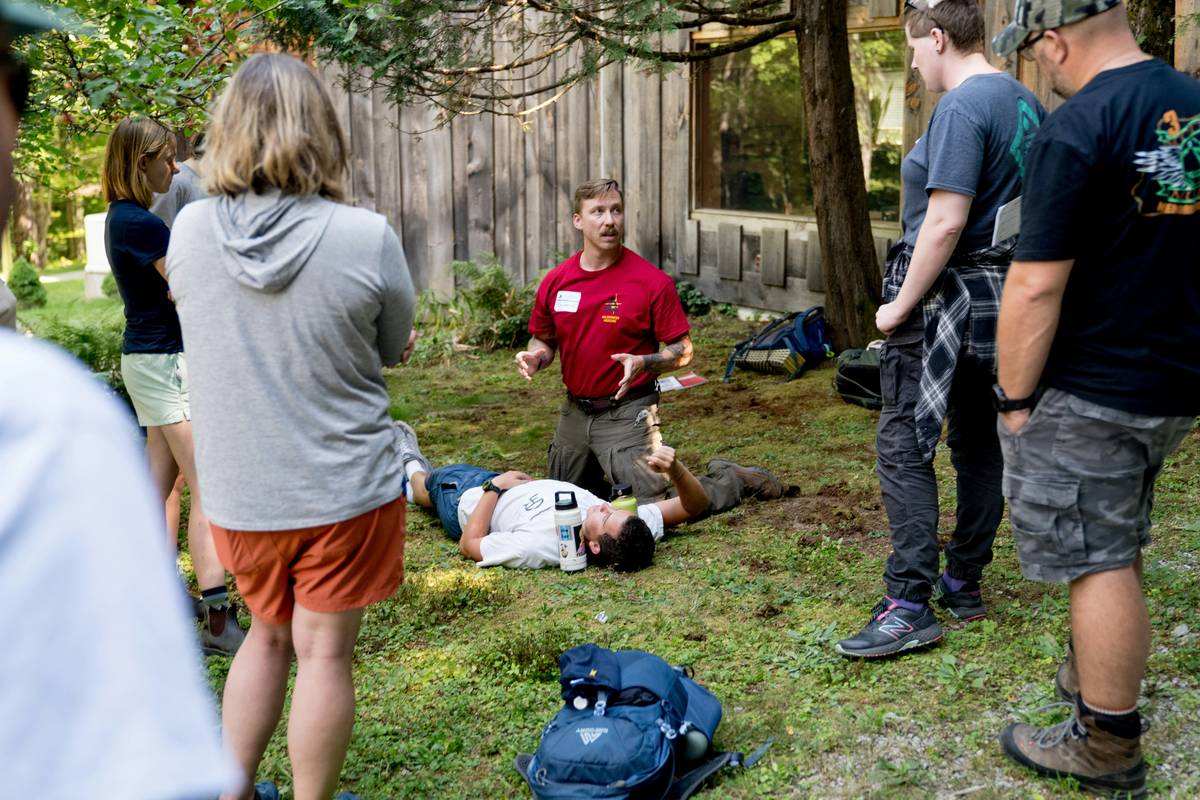
Every module should end with a timed, gear-limited challenge—like constructing a waterproof lean-to using only natural materials within 45 minutes. No validation = no competence.
5 Best Practices Every Student Should Follow
- Schedule monthly refresher drills. Skills decay faster than you think—especially under stress.
- Carry redundancy, not just gear. Two fire-starters, two navigation tools. One failure shouldn’t doom you.
- Train in worsening weather. If you’ve only practiced in sunshine, you’re not ready.
- Avoid the “Swiss Army Knife Trap.” Carrying 30 tools you’ve never used is worse than mastering three essentials.
- Never skip mental rehearsal. Visualize responding to injury or disorientation daily—it builds neural pathways for real crises.
And here’s a terrible tip I once believed: “Just drink stream water if you boil it.” Wrong. Boiling kills microbes but not chemical pollutants or heavy metals. Always filter first—a mistake even seasoned hikers make.
Real Outcomes: Case Studies from Verified Courses
In 2023, a cohort of 120 students enrolled in a certified outdoor survival skills course tracked by the Wilderness Medical Society. After 8 weeks of blended online instruction and weekend field labs:
- 94% could reliably signal rescuers within 10 minutes of “getting lost”
- 88% constructed functional shelters that retained body heat in 40°F rain
- Zero participants reported panic-induced errors during controlled emergency simulations
Compare that to self-taught learners: a 2022 study in Wilderness & Environmental Medicine found they were 3.2x more likely to make critical errors in hydration management. Structured learning isn’t luxury—it’s leverage.
Frequently Asked Questions
How long does it take to become proficient in outdoor survival?
Basic competence takes 4–6 weeks of consistent practice. True fluency—where skills activate automatically under stress—requires 6+ months of scenario-based drills.
Can I learn survival skills entirely online?
No. While theory can be taught digitally, muscle memory and stress inoculation require physical practice. Look for hybrid courses with mandatory field days.
What’s the #1 skill most beginners overlook?
Navigation without GPS. Over 60% of wilderness rescues involve people who lost their way after phone batteries died, per NPS data.
Are survival courses worth the cost?
Yes—if they include hands-on assessments. Free YouTube tutorials lack accountability; paid courses with certification standards (like those aligned with WMS guidelines) deliver measurable ROI in safety.
Do I need prior fitness to enroll?
Basic mobility helps, but many courses adapt drills for varying abilities. Check syllabi for physical requirements before enrolling.
Survival isn’t about looking rugged in photos—it’s about returning home safely, every single time. If you’re serious about turning knowledge into action, reach out to our team to find the right outdoor survival skills course for your environment. And remember: the best shelter isn’t the fanciest—it’s the one you can build blindfolded at 3 a.m. after tripping into a ravine.
Lost is temporary. Prepared is forever.