Most weekend hikers pack trail mix, a compass app, and confidence. Then—rain hits. Phone dies. Trail vanishes. Suddenly, “adventure” means hypothermia or dehydration. The problem isn’t the wilderness—it’s the illusion of preparedness. Real safety starts when you stop assuming and start training. That’s where camping hiking survival why learning outdoor shifts from optional to non-negotiable.
The Hidden Failure of “Just-In-Time” Outdoor Prep
YouTube tutorials won’t save you at 3 a.m. in a thunderstorm. And those 2-hour “survival workshops”? They teach knots but not judgment. The real gap? Most people learn skills reactively—after they’re already lost, injured, or out of water. By then, cognitive load spikes, panic narrows vision, and muscle memory hasn’t been forged. Survival isn’t about gear. It’s about neural pathways built through repetition long before crisis hits.
Think about it: Would you wait until your car breaks down to learn how to change a tire?
Camping Hiking Survival Why Learning Outdoor: A Practical Framework
Forget vague “be prepared” advice. Adopt this phased approach—structured like actual field protocols used by wilderness guides.
Phase 1: Core Triad Mastery (Before You Hit the Trail)
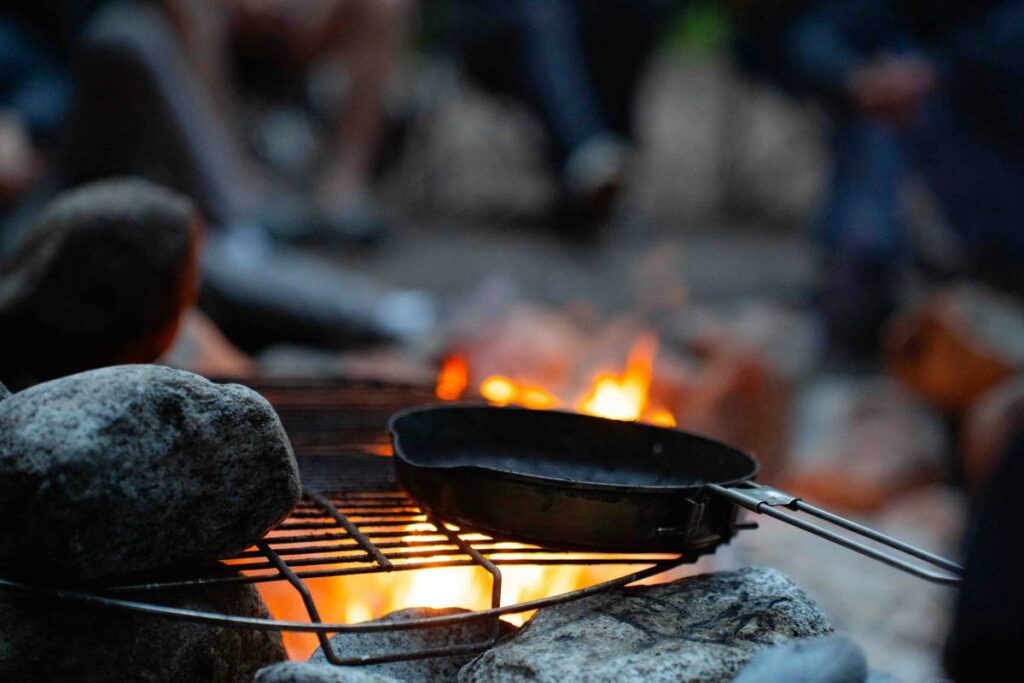
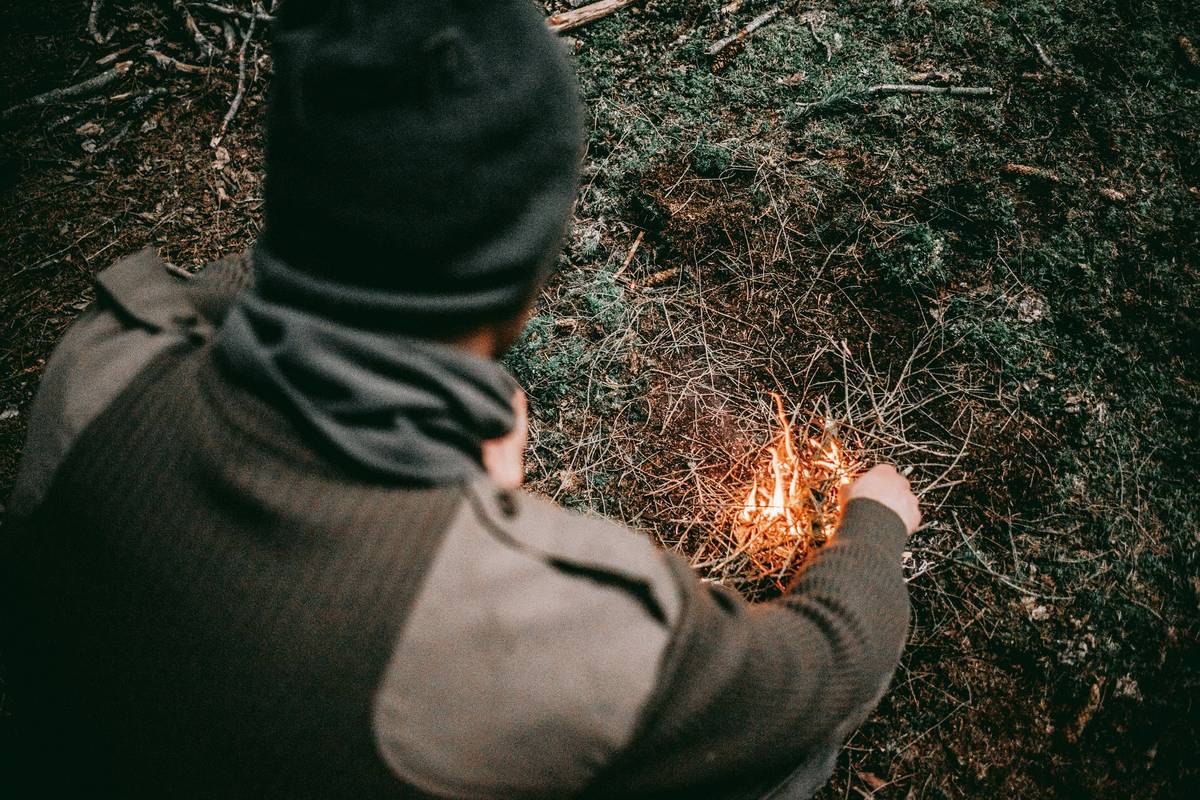
Shelter. Water. Fire. Not in that order—it depends on climate. In desert heat? Water first. Alpine cold? Shelter trumps all. Train these three in isolation until each takes under 90 seconds. No excuses. Use backyard drills. Time yourself. Fail fast, fix faster.
Phase 2: Navigation Without Crutches
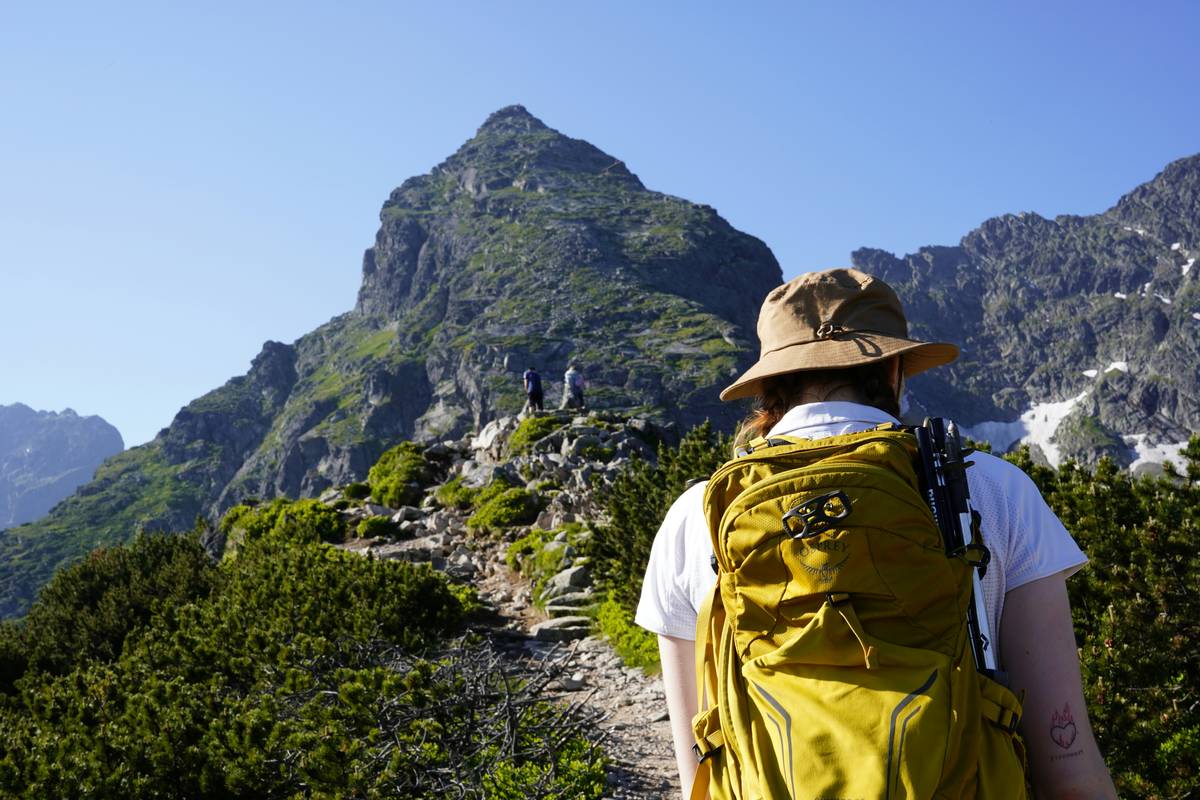
Your phone is entertainment—not navigation. Learn to read terrain contours on paper maps. Practice dead reckoning with just a baseplate compass and stride count. Bonus: Identify three natural indicators (moss patterns, ant hill slopes, wind-scoured trees) that confirm direction when tech fails.
Phase 3: Decision Triggers, Not Just Skills
Knowing how to purify water matters less than knowing when to do it. Build personal thresholds: “If I’ve walked 90 minutes without spotting my checkpoint—I stop and reorient.” Pre-set rules override panic.
| Training Method | Time Required | Real-World Reliability | Cost (USD) |
|---|---|---|---|
| Weekend Survival Bootcamp | 16 hours | Moderate (skills fade in 3-4 weeks) | $150–$300 |
| Daily Micro-Drills (5 min/day) | Ongoing | High (neural reinforcement) | $0–$20 (basic kit) |
| App-Based Simulations | Variable | Low (no tactile feedback) | $5–$15/month |
| Mentor-Led Field Immersion | 40+ hours | Very High (contextual learning) | $500+ |
The Industry Secret: Stress-Inoculation Beats Skill Lists
Here’s what outfitters won’t advertise: Technical skill alone fails under stress. The elite train differently. They inject controlled chaos. Try this: Practice fire-starting with wet hands after sprinting 100 yards. Purify water while someone shines a flashlight in your eyes. These aren’t gimmicks—they simulate the disorientation of real emergencies. The math is simple: If your hands shake during practice, they’ll steady in crisis. Comfort is the enemy of readiness.
And yes—this means failing often. Good. You want your first failure in your backyard, not on a ridge at dusk.
FAQ
What’s the #1 outdoor survival mistake beginners make?
Overpacking gear while undertraining skills. A $500 sleeping bag won’t help if you can’t site a dry bivvy spot.
How often should I refresh survival skills?
Quarterly minimum. Muscle memory degrades fast—especially fine motor skills like friction fire or knot tying under fatigue.
Can online courses replace field practice?
No. Video teaches theory. Mud, wind, and adrenaline teach execution. Blend both—but never skip the dirt.