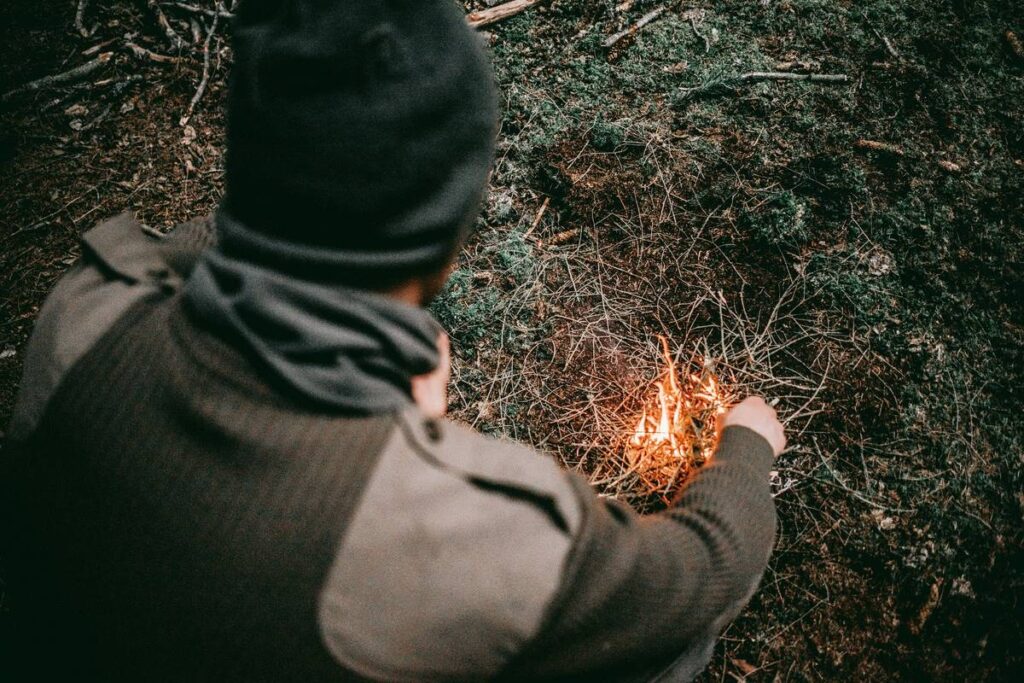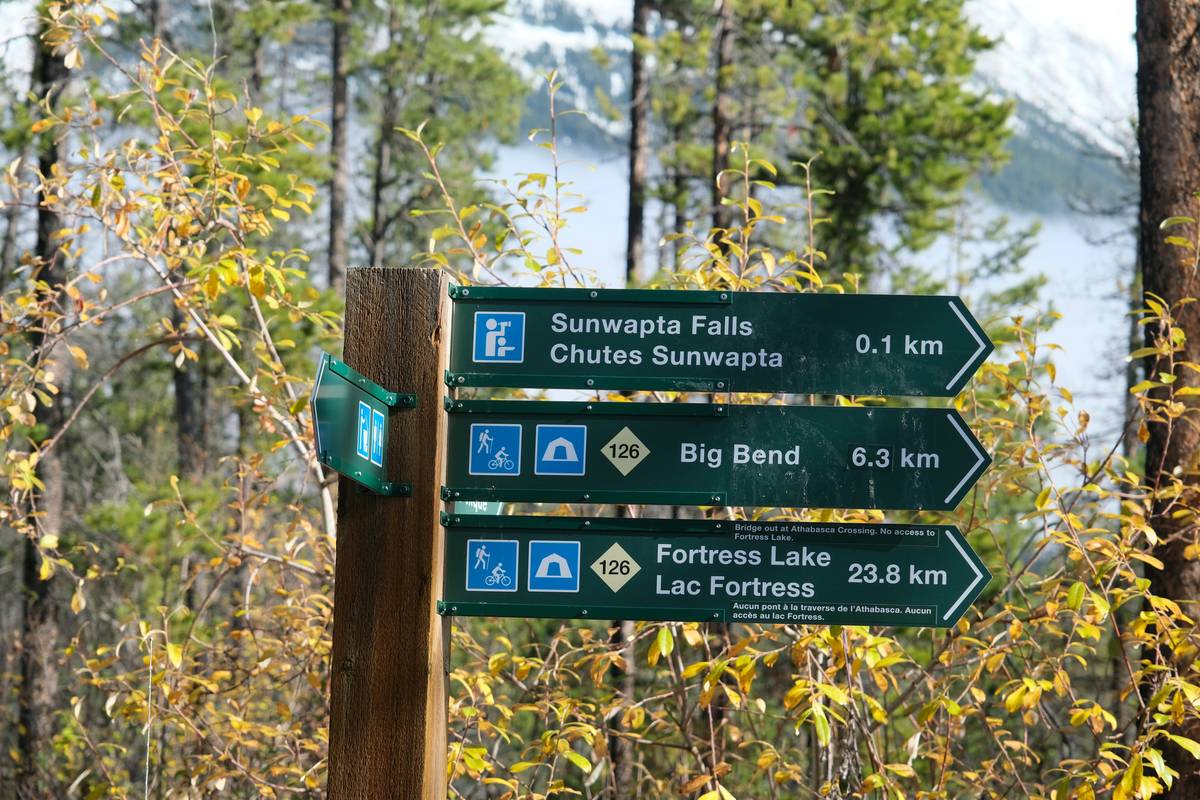
Ever found yourself lost on a trail with nothing but a half-empty water bottle and a vague memory of that YouTube video you watched last winter? You’re not alone. Every year, thousands of hikers and campers overestimate their outdoor readiness—until nature hands them a pop quiz they didn’t study for. That’s where a solid camping survival skills quiz becomes more than just trivia—it’s a lifeline.
In this guide, we’ll walk you through why testing your knowledge matters in online outdoor education, share actionable steps to build real-world competence, and expose a few “terrible tips” masquerading as wisdom. By the end, you’ll know whether your survival instincts are sharp—or if it’s time to hit the books (and the woods) again.
Table of Contents
- Why a Camping Survival Skills Quiz Matters in Online Education
- Step-by-Step Guide to Self-Assessing Your Outdoor Readiness
- Top Best Practices for Building Reliable Survival Knowledge
- Real-World Examples: When Quizzes Prevented Emergencies
- Frequently Asked Questions
Key Takeaways
- A well-designed camping survival skills quiz reveals dangerous knowledge gaps before they become emergencies.
- Online education platforms must blend theory with scenario-based testing to build true competency.
- Mistaking “familiarity” for “proficiency” is the #1 reason people fail in real survival situations.
- Always verify survival advice against authoritative sources like the National Park Service or FEMA.
- Repetition and hands-on practice—not passive watching—are what cement survival skills.
Why a Camping Survival Skills Quiz Matters in Online Education
Online learning has revolutionized access to outdoor education—but it also risks creating “paper rangers”: people who’ve watched dozens of tutorials yet have never built a fire in rain or purified murky pond water. Without self-assessment, confidence outpaces capability.
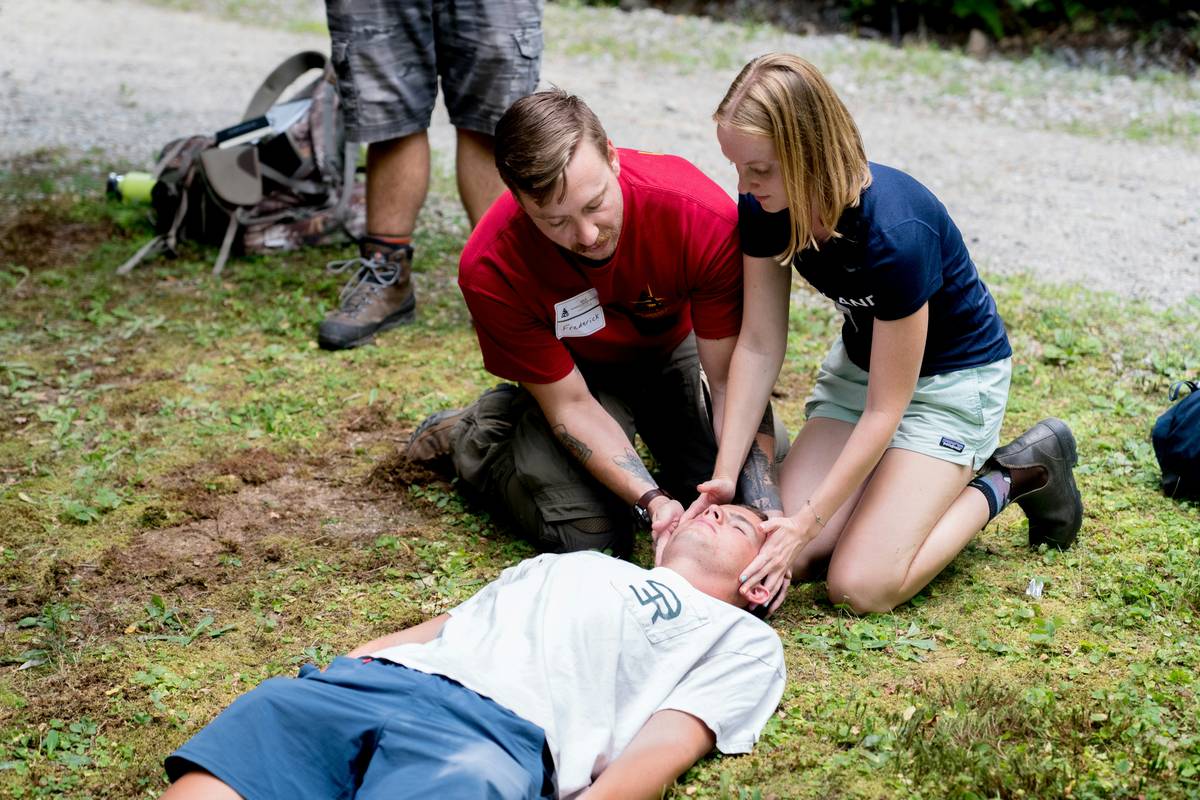
According to the U.S. National Park Service, over 4,000 search-and-rescue operations occur annually in national parks—many involving individuals who believed they were “prepared.” A structured camping survival skills quiz forces learners to confront blind spots. At Surfsideskills.net, we believe education isn’t complete until you can prove it under pressure. Learn more about our mission on our About Us page.
Step-by-Step Guide to Self-Assessing Your Outdoor Readiness
1. Start With Core Domains
Break survival into key areas: shelter, water, fire, navigation, signaling, and first aid. Rate your confidence (1–5) in each under stress—like cold, wet, or dark conditions.
2. Simulate Real Scenarios
Don’t just answer questions—act them out. Can you tie a taut-line hitch blindfolded? Filter water using only your gear? Time yourself. Real survival doesn’t offer multiple-choice options.
3. Use Trusted Assessment Tools
Leverage free resources like FEMA’s Emergency Preparedness quizzes (fema.gov) to benchmark your knowledge against official standards.
4. Review & Retest Monthly
Skills decay fast. Schedule a mini camping survival skills quiz every 30 days to reinforce retention.
Top Best Practices for Building Reliable Survival Knowledge
- Practice in graduated difficulty: Start in your backyard, then local trails, then remote zones.
- Carry a “failure kit”: Intentionally leave one critical item behind (e.g., matches) to force improvisation.
- Avoid the “YouTube Expert” trap: Watching ≠ doing. Always follow up videos with hands-on drills.
- Join a community: Local hiking clubs or wilderness first aid courses provide feedback no app can.
- Track your quiz scores: Keep a log of your camping survival skills quiz results to spot trends.
Real-World Examples: When Quizzes Prevented Emergencies
Last summer, a Colorado hiker used a pre-trip quiz from our platform that flagged her weak knot-tying skills. She practiced for two weeks before her trip—and when high winds collapsed her tarp shelter at 2 a.m., she rebuilt it securely in minutes. No hypothermia, no rescue call.
In another case, a scout leader failed a water purification section of a camping survival skills quiz. He reviewed CDC guidelines (cdc.gov) and discovered his group had been using insufficient iodine doses for years. That correction likely prevented gastrointestinal outbreaks on future trips.
Frequently Asked Questions
What should a good camping survival skills quiz include?
It should cover scenario-based questions on fire-making, water sourcing, emergency signaling, basic first aid, and navigation without GPS—not just trivia about animal tracks or plant names.
How often should I take a camping survival skills quiz?
At minimum, once before every major trip. Ideally, integrate short assessments into monthly outdoor training sessions.
Can online quizzes replace real practice?
No. Quizzes identify knowledge gaps—they don’t build muscle memory. Always pair them with hands-on drills.
Are there free, credible camping survival quizzes online?
Yes. FEMA, the Red Cross, and state park services often offer free, vetted assessment tools. Avoid influencer-created quizzes with no cited sources.
Does Surfsideskills.net store my quiz results?
We don’t collect personal performance data unless you voluntarily submit it. See our full data practices in our Privacy Policy.
Conclusion
A camping survival skills quiz isn’t about passing or failing—it’s about preparing honestly. Nature doesn’t grade on a curve; it responds to competence. If this guide exposed gaps in your readiness, don’t panic—just act. Revisit core skills, test yourself again, and never stop practicing.
Ready to build a personalized survival plan or request a custom quiz? Contact us—we’re here to help you thrive, not just survive.
“Fire needs friction. So do skills.”