Most teens today can’t tie a secure knot—let alone purify water or signal for help in the wild. And that gap isn’t just inconvenient; it’s dangerous. When phones die and trails vanish, theoretical knowledge evaporates. The solution? Practical, scenario-based outdoor survival skills for teens—taught not in classrooms, but where it matters: outside.
Why Traditional Outdoor Education Fails Teens
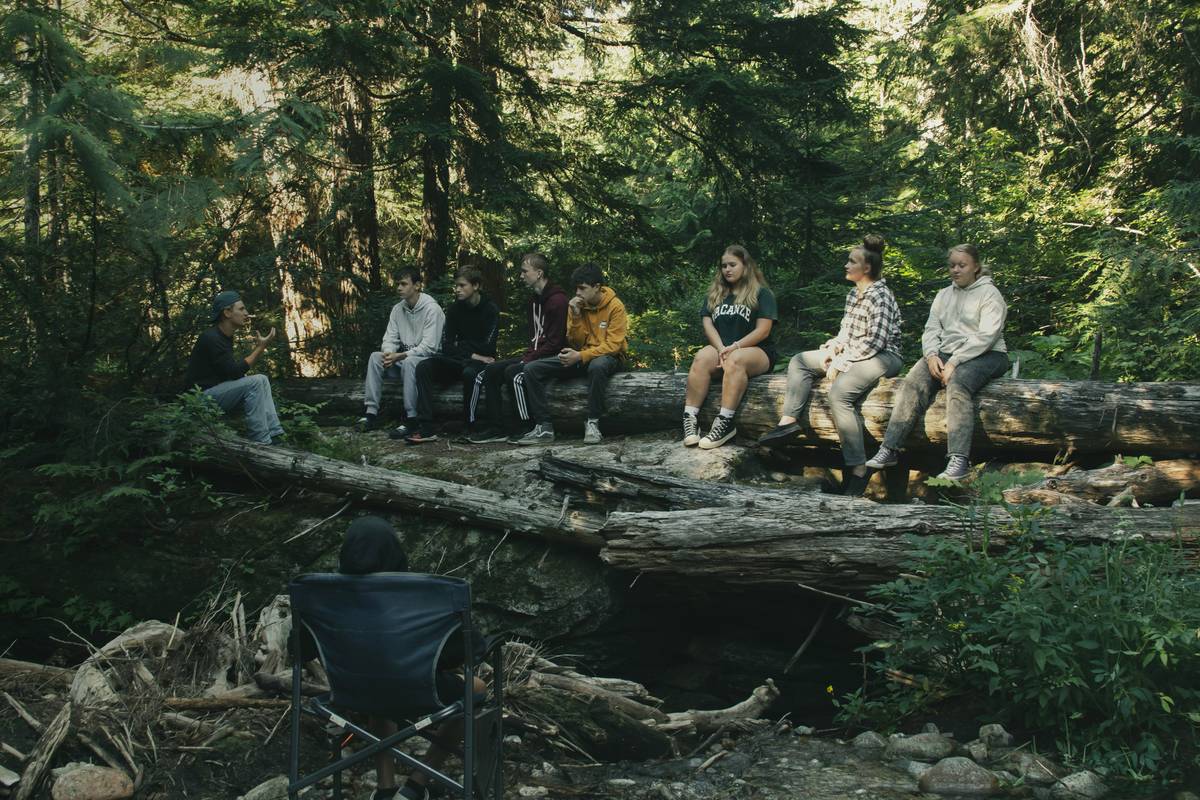
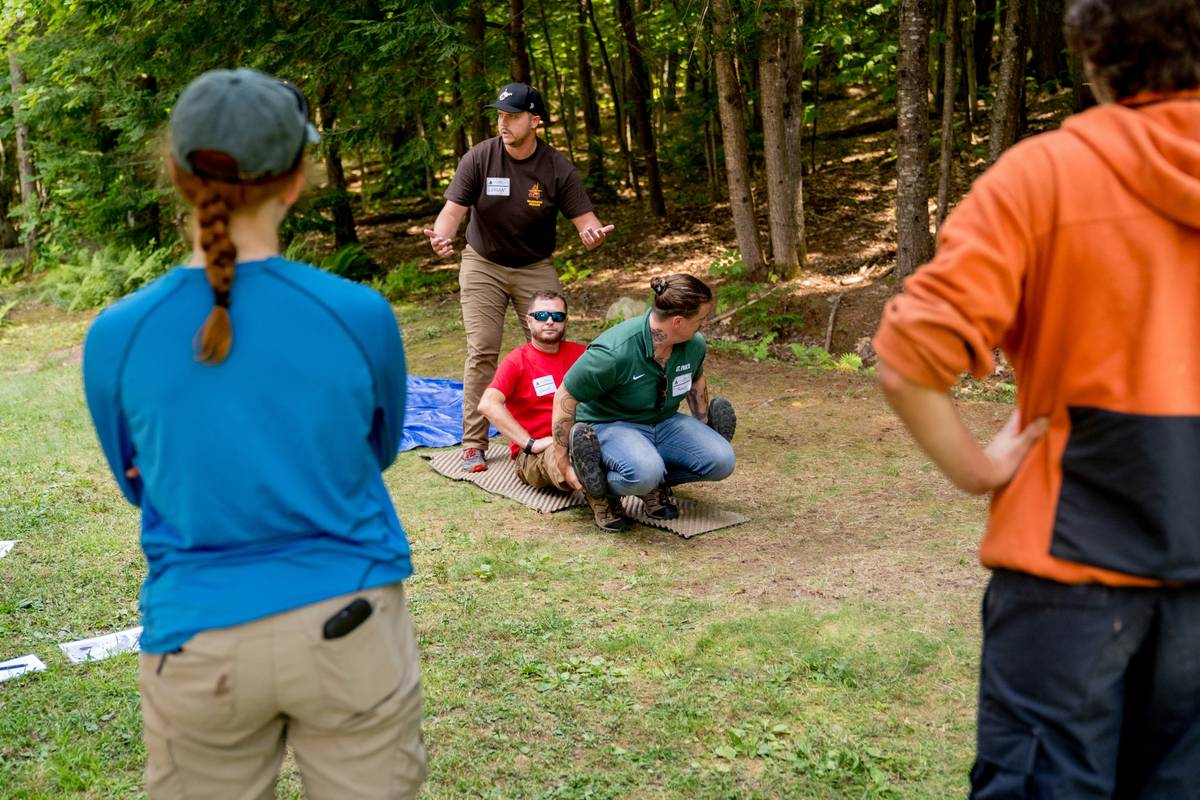
Summer camps check boxes. They cover “shelter-building” by handing out tarps and calling it a day. Real survival isn’t about memorizing steps—it’s about adapting when everything goes sideways. Most programs ignore psychological resilience: panic kills faster than dehydration. Teens freeze when plans fail because they’ve never practiced improvisation under mild stress.
And worse—they’re taught adult protocols. A 15-year-old doesn’t need to build a debris hut meant for 200-pound adults. They need lightweight, intuitive techniques that match their strength, attention span, and gear limitations.
Outdoor Survival Skills for Teens: A Field-Tested Roadmap
Forget survival as a checklist. Think of it as layered confidence. Start small. Master one skill until it’s automatic—then stack another. Here’s how.
Shelter That Actually Works (Without a Tarp)
Natural debris shelters beat flimsy tents in wind and rain—if built right. Focus on lean-tos using fallen branches and evergreen boughs. Key detail: slope the roof at 45 degrees. Any shallower, and rain seeps in. Any steeper, and wind rips it apart.
Water: Purify Fast, Drink Safe
Boiling works—but takes fuel and time. For teens on multi-day hikes, portable filters like the Sawyer Mini offer speed and reliability. UV pens? Only if water’s crystal clear. Murky streams = filter first, zap later. Always.
Signaling When Lost: Beyond the Whistle
Three blasts = universal distress. But what if your whistle breaks? Use rhythm. Bang rocks in sets of three. Flash a mirror in triple pulses. Consistency matters more than volume.
| Skill | Teen-Friendly Tool | Cost Range | Practice Time Needed |
|---|---|---|---|
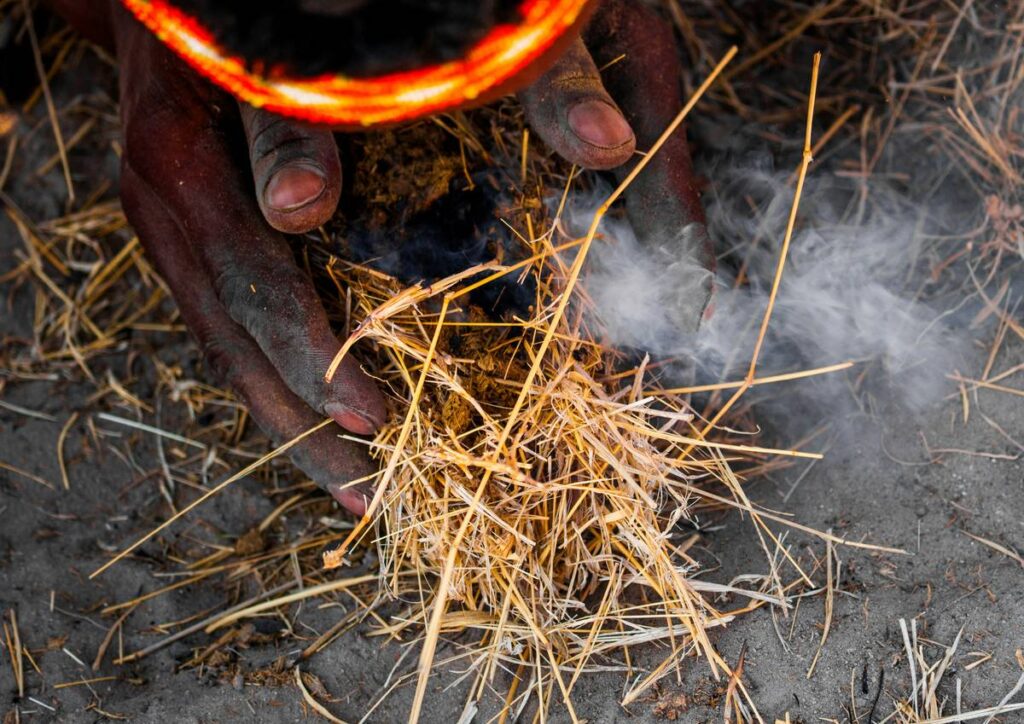
| Fire Starting | Ferro rod + cotton balls soaked in petroleum jelly | $8–$15 | 3 sessions (15 mins each) |
| Navigation | Baseplate compass + printed topo map | $20–$35 | 5+ field drills |
| Emergency Shelter | Heavy-duty trash bag + paracord | $3–$7 | 2 backyard builds |
The Industry Secret: Stress Inoculation Beats Gear Lists
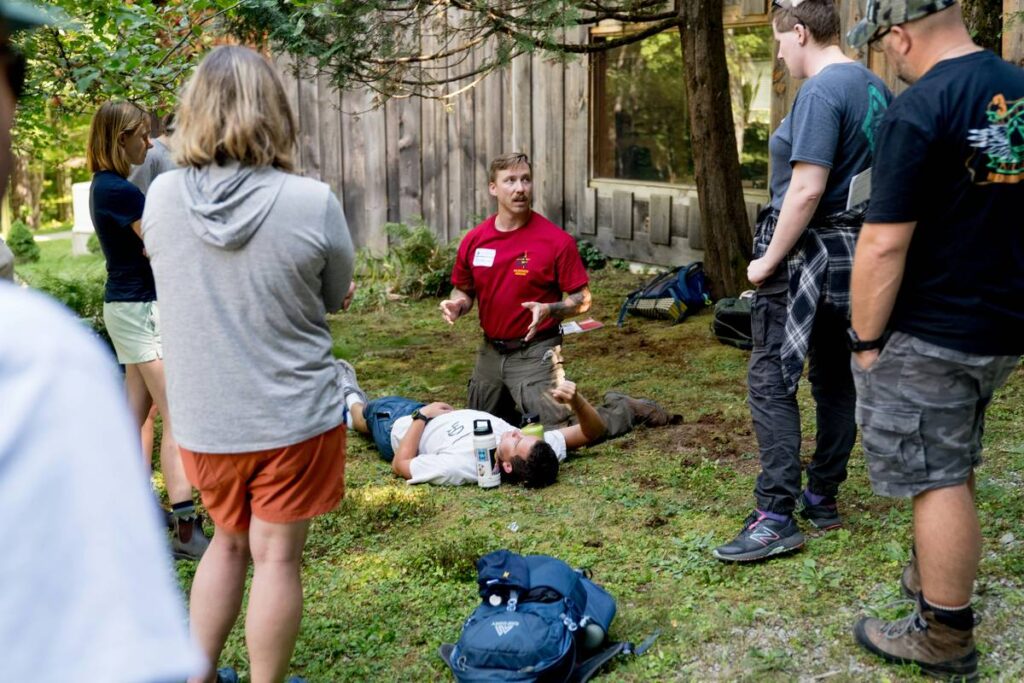
Here’s what no one tells you: gear won’t save a panicked teen. But controlled discomfort will. Top wilderness guides run “failure drills”—intentionally losing kids in safe zones with minimal supplies for 90 minutes. Why? Because real learning happens at the edge of frustration. One program in Colorado saw a 73% drop in rescue calls after implementing weekly micro-simulations: broken compasses, wet matches, fake injuries. The math is simple—teens who’ve solved small crises don’t crumble during big ones. Teach calm, not just kits.
Frequently Asked Questions
What’s the #1 outdoor survival skill every teen should learn first?
Fire starting. It provides warmth, purifies water, signals rescuers, and—psychologically—restores control. Master it before anything else.
Can teens really survive alone in the wilderness?
Not indefinitely. But with core skills, they can stabilize for 24–72 hours—the critical window most rescues happen. Training buys time.
Are survival apps reliable for teens?
Only as backups. GPS dies. Batteries fail. Paper maps don’t. Apps are supplements—not substitutes—for hands-on practice.